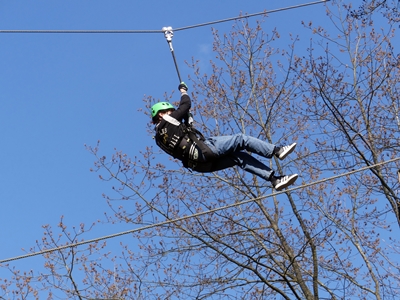
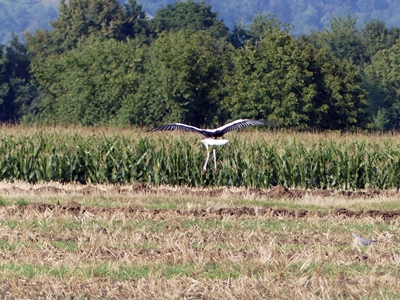
She generally hoped they wouldn’t drop her.


……………………………………….
Johann Heinrich Pestalozzi was a Swiss educational reformer. His name is well known in Switzerland and Germany and other countries – not least because most towns have a Pestalozzi Street and many have a Pestalozzi school. Without a doubt he had a great direct influence … Continue reading A Formative Experience
This whimsical fruit and veg seller just has to be Italian. Or, my Italian lessons just kicked in. Weekly Prompts Wednesday Challenged: Whimsical
periodically (every $/%/& month). FOWC with Fandango: Period
how could I not? Those who know know. If you don’t know let me introduce myself: I’m Elastic. Knicker Elastic. Ragtag Daily Prompt: Elastic
Love – like all emotions – has an impact on us. But in which direction will it take us? Sometimes the inspiration can go wrong. Molière said: “Love is a great master. It teaches us to be what we never were.” (The School for Wives). … Continue reading Which Direction Will It Take?
or Turkish sage Wordless Wednesday

Obviously these honeycomb structures are some kind of greenhouse. I don’t know how they work since they are open on the ground and open to the top. I also don’t know for what kind of crop. The bad news is: it is a kind of synthetic material or plastic. The good news is: the material is usually rolled up when no longer needed and brought out again the year after.

……………………………………….
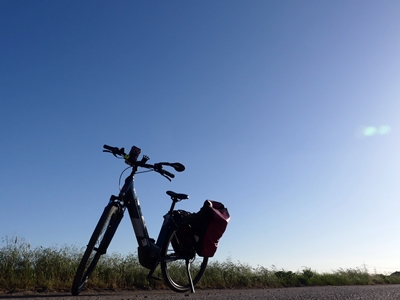
“Wanderlust” is originally a German word and the meaning is slightly different in the German language: it includes the yearning to go and see foreign lands but has more to do with “itchy feet” – because “wandern” means “hiking” in the sense of “on shanks’ mare”. Germans used to go hiking into the big wide world and sang while doing it.

Probably the most well-known song of this genre is: “Das Wandern ist des Müllers Lust” (hiking is the miller’s delight). Most Germans will think it is a folk song and describes a miller by profession hence it is mostly illustrated with windmills and watermills. In truth, it was written in 1820 by Wilhelm Müller (that would be William Miller), a German author.