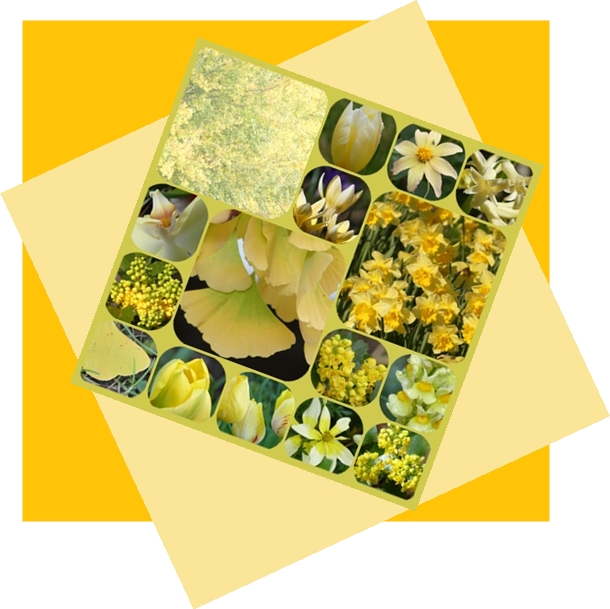
And all of the above: A flaming skyline ablaze. Salient bastion against the night. Thursday Special: Pick a Word – April 2022

And all of the above: A flaming skyline ablaze. Salient bastion against the night. Thursday Special: Pick a Word – April 2022


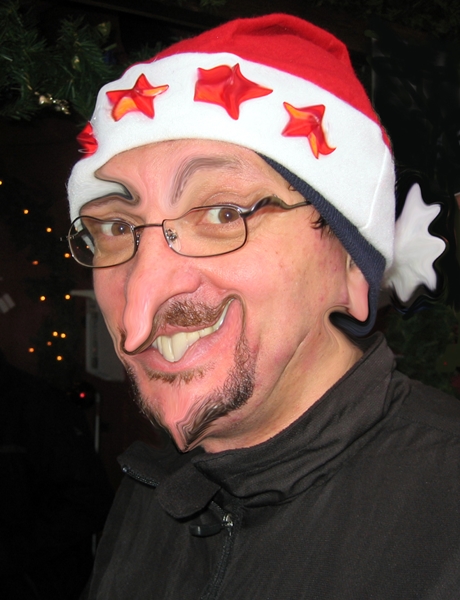
It’s all wrong.
Wrong time of year.
Wrong face.
Wrong beverage involved.
And the evil sprite who’s responsible.


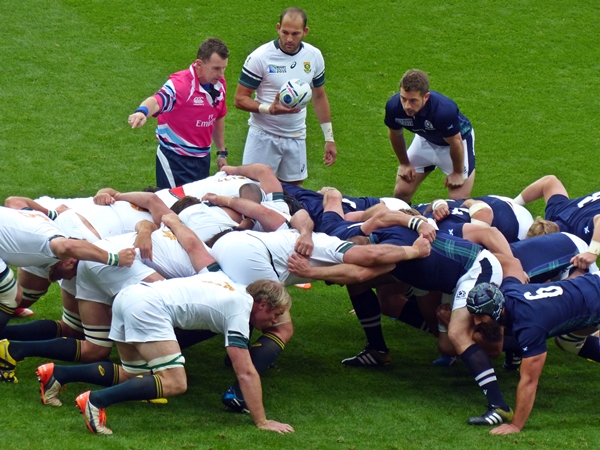
The man in pink is Nigel Owens, well-known Welsh rugby union referee, telling the scrum what to do. This was the game Scotland v. South Africa in Newcastle in pool B of the Rugby Wold Cup 2015.
And this is why I like rugby (as compared to say, football or soccer):


Cutting flowers and paying on the honour system.
for Cee’s Flower of the Day and Bren’s Floral Friday
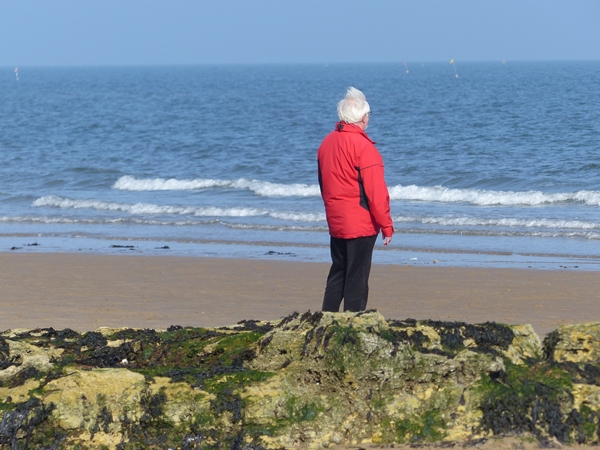
How can you not think of Hemingway?
Earth my body.
Air my breath.
Fire my will.
Water my blood.
Small droplets
collecting in puddles and bowls
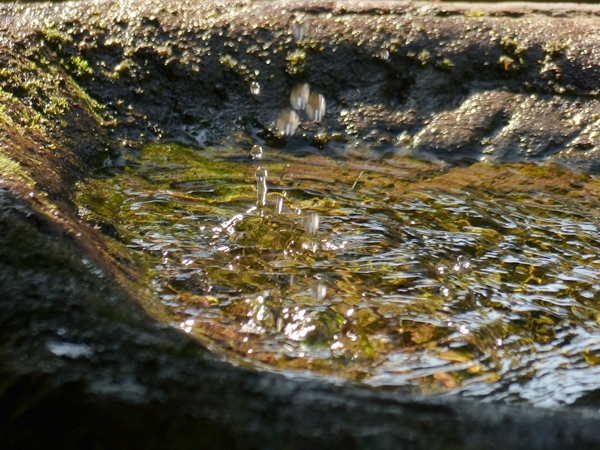
flowing into streams

and rivers
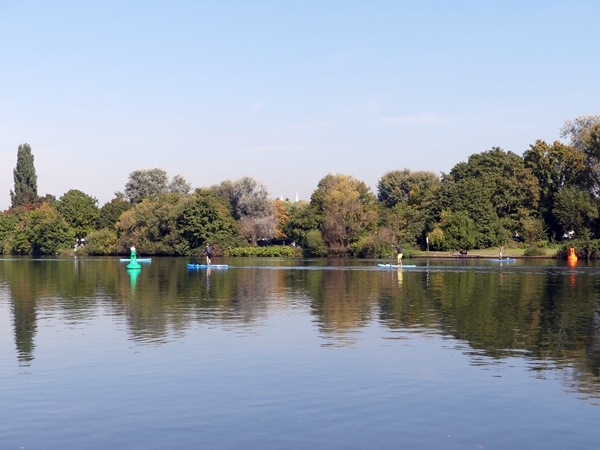
into larger rivers

and finally finding their way into the sea

reaching from shore to shore.

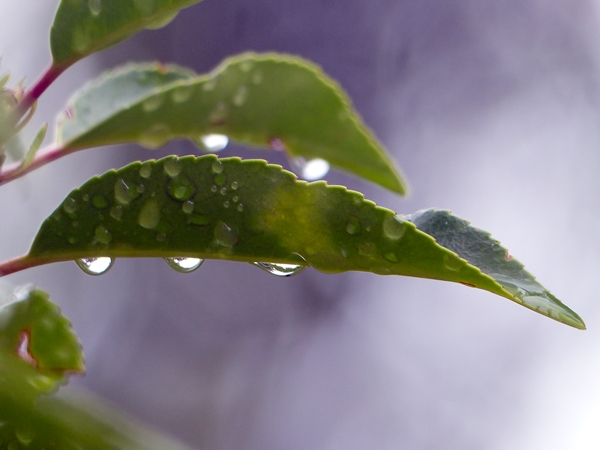
Cee’s Fun Foto Challenge: Water


and this goose will have lost all its softness. Instead of the fluffy downs it will sport splendid shiny feathers.

Before stag and hen parties became a thing in Germany, we had Polterabend, a party before the wedding day usually with the wedding guests as well as all the friends who won’t come to the reception. One tradition is the actual “Poltern”, the guests break dishes and other crockery for luck. The first joint task of the couple is to clear up the debris to prepare them for married life. I have this personal theory that there is a finite amount of porcelain that is going to break in anygiven marriage and the plates and dishes broken on the polterabend are deducted from this, i.e. the more you break during that party, the less will be broken during the marriage.