The GOAT at being demure.


……………………………………….
I didn’t know until just now that fuchsias are native to the Americas and are actually tropical and subtropical plants. They have taken to European gardens with gusto. Ragtag Daily Prompt: Fuchsia
Six Word Saturday
Global warming, or in this case local warming, gives us lemons. I remember when I was little there was at least one outdoor lemon tree in the park around our castle. They had small fruits but they never fully ripened. I thought this to be an oddity because lemons were not common in Germany. These days I see fully ripened lemons in some gardens. Maybe these are different varieties, maybe they are not fully ripened, but – they are yellow and the ones when I was little were small and green.

.
.
..
It’s become normal to see people walking, talking, strolling, alone and together, and looking on their mobile phones. Give them the benefit of the doubt – they might be looking at a map or taking photos – but I suspect they are usually texting or … Continue reading No Hands Without It
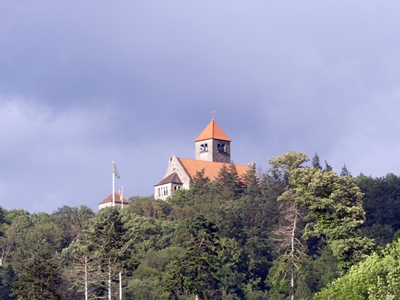
Arrow slots or crenels are ususally vertical slits in thick walls in medieval buildings. Archers could shoot on possible attackers through them without exposing themselves unnecessarily. This is Castle Wildenstein, in the southern parts of the Black Forest. They decided to go horizontally if these … Continue reading This One Is Wild
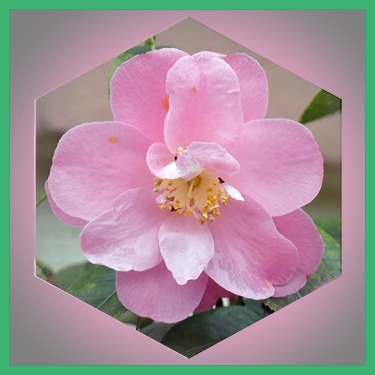
For Cee and Bren for Flower of the Day and Floral Friday
Alice slapped aftershave on her face and immediately howled like a banshee. She’d forgotten about the scratch mark the gerbil had left on her cheek. She grabbed the rodent, put it in a harness which she clicked in the zipline. Alice crooned: “Off you fly to Wonderland to meet the wonderful Cat of Chesh.”
Can You Tell a Story in … 54 words
.
.
..
More than 150 cut-outs decorate the street lamps of Heppenheim. Each picture represents a story from local folklore. At the bottom of the lamppost there are short versions of the stories.


This lamp tells the story of the two giants who stood on opposite mountains and threw rocks at each other creating the large “sea of stones” in Reichenbach and a smaller scattering of rocks on the facing mountain side (the Reichenbach giant was the weaker or smaller one, quite obviously).