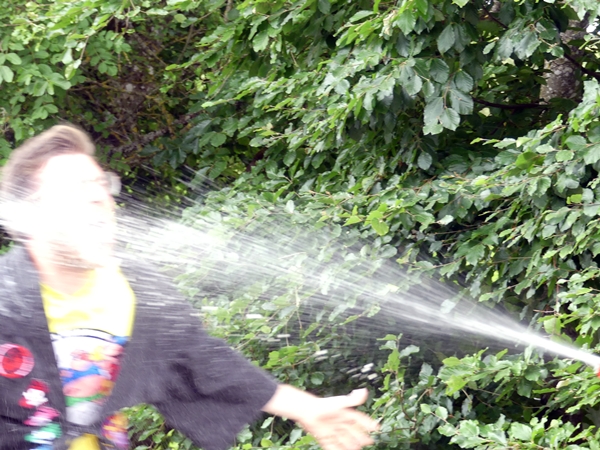
Can you see him?

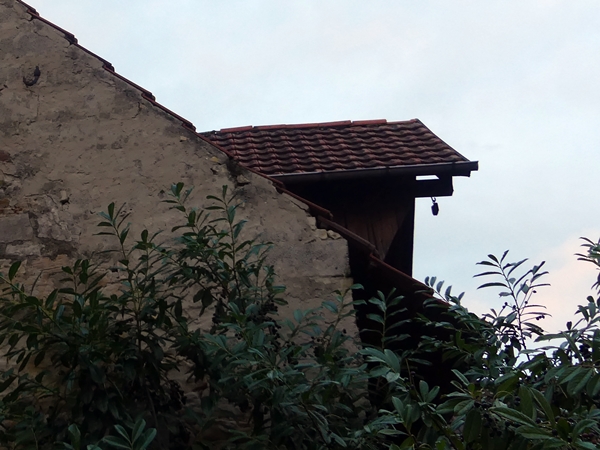
Here is the photo taken a second earlier:

FOWC with Fandango: Arrive

……………………………………….
Can you see him?
Here is the photo taken a second earlier:
FOWC with Fandango: Arrive
……………………………………….
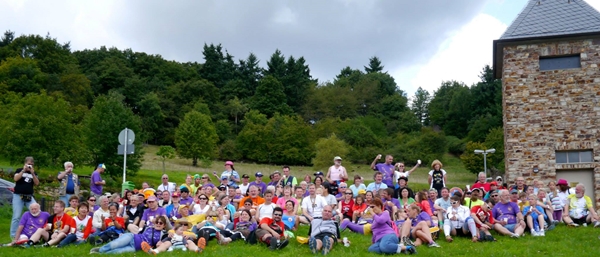
Actually our German social running groups organise a national meeting (called a Nash Hash) every year. Since there are 10 chapters in Germany which share the organising. Some are so small that they can’t manage the task. And then there was a break between 2018 and 2221 (I wonder why, I blocked out that time). But after nine years it’s upon us again. This was in 2014 in Rüdesheim. And you guessed it, next weekend it’s our turn again. This time there will be 270 hashers attending the GNH. The participants are limited by the size of the venue, more often than not a youth hostel.
So if you have been wondering seeing my photos over the past few weeks: this community has been on my mind more than usual.
Ragtag Daily Prompt: Community


Silent Sunday


I apologise for adding a few more words:
Will the circle be unbroken
By and by, Lord, by and by
There's a better home a-waiting
In the sky, Lord, in the sky
(apologies to all gospel singers)
.
.
..

The tenn-ants planning to take over the neighbourhood.
(How could I not post this after the wordplay in the right up?)
Weekly Prompts Weekend Challenge: Property
.
.
..

I went out and found a scene that would match my Playmobil scene.

Or possibly it was the other way round?
FOWC with Fandango: Thereafter
……………………………………….

This mural was created by a school class with many refugee students (hence the German is not perfect).
On this part the children wrote their wishes:
“Children should not fight in wars but go to school.” “I don’t like it when children are fighting amongst each other.” “All children should have a home.” “For me it’s most important to play with friends.” ” I wish for all children to be protected.”