


In South Africa there a certain kind of tree, the vachellia xanthophloea (xanthophloea refers to the yellow bark). Now I know that the common name, fever tree, stems from the fact that they were first found in malaria infected areas but you can always see a fever tree from afar – the bark stands out and the stem and the branches look as if they were glowing from the inside.
I’ve never seen a specimen in Germany but in the right light a poplar can look luminous, too.
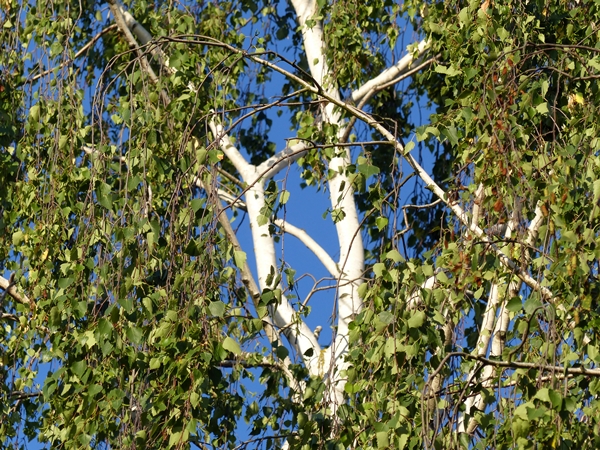

This tree stands inside the castle ruin of Lindenfels. It is already old but the tree doctors are doing everything to keep it alive and have put in splints so that it doesn’t topple over. Burg Lindenfels was first mentioned in 1123 and thus has a really long past to look back to.

–
–
–
–
.
.

There are two grey herons in that tree.

There is only grey heron in this tree.

How many storks can you find in this tree?
–
–
–
–
.
.


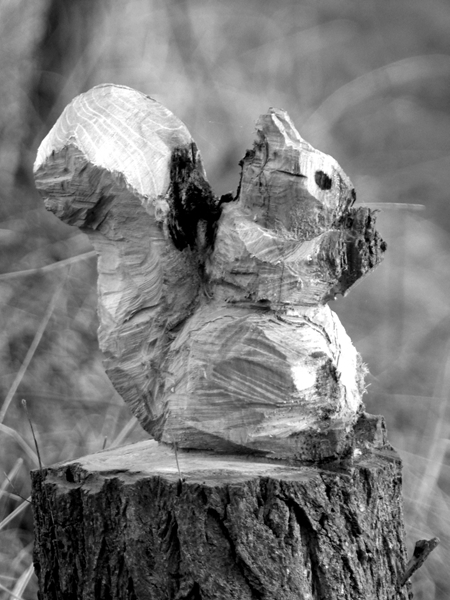
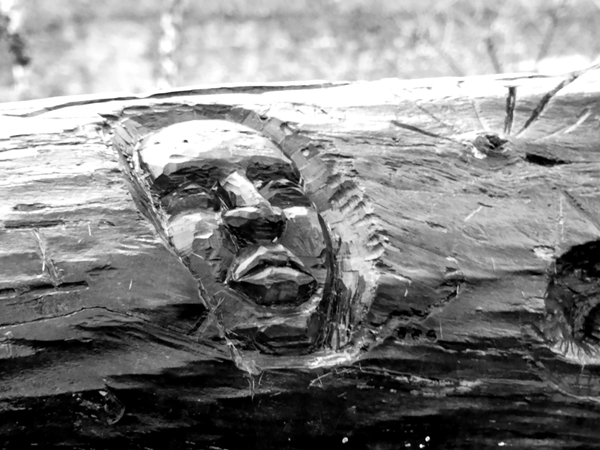
All these trees are made from one solid tree trunk. The three in the top row are still standing where the tree grew and still have roots.
–
–
–
–
.
.
After my trees yesterday were painted or signs made of metal today I turned to stone.

Wood and stone seem like an antithesis but it doesn’t need to be.


–
–
–
–
.
.
There is no denying it.


Yesterday, the Cosmic Photo Challenge was about unusual angles and I posted some photos looking up. While I’m short I’m taking a lot of shots from below, I think, with trees I am not the only one. And it’s not the worst view of a tree.


Not quite what I had planned but Henry insisted to take up Septimus’ challenge.
And incidentally, a bonus SixWordSaturday.




 pictures imperfect blog