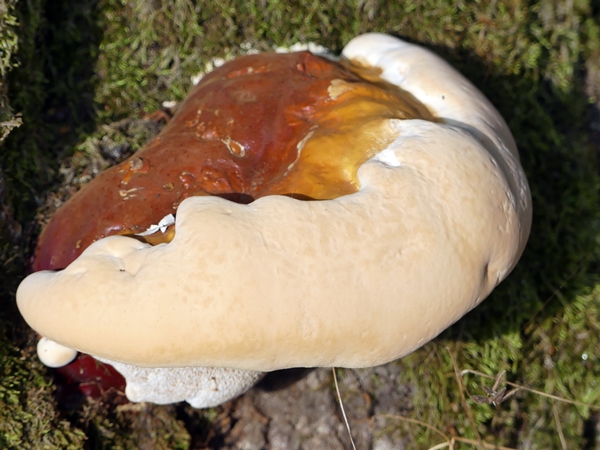
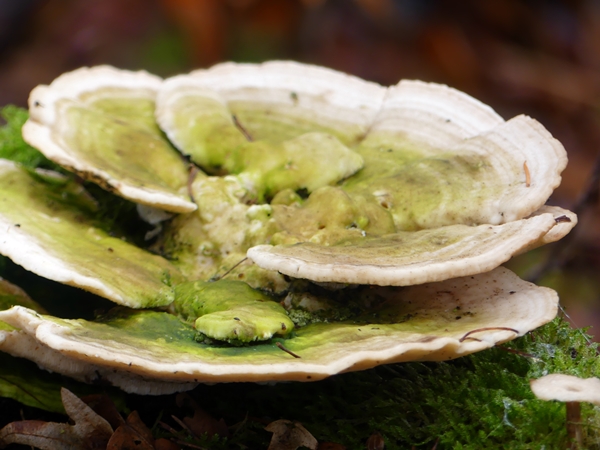

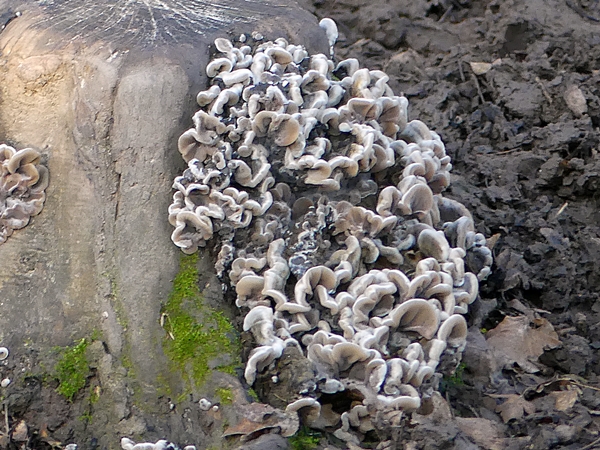
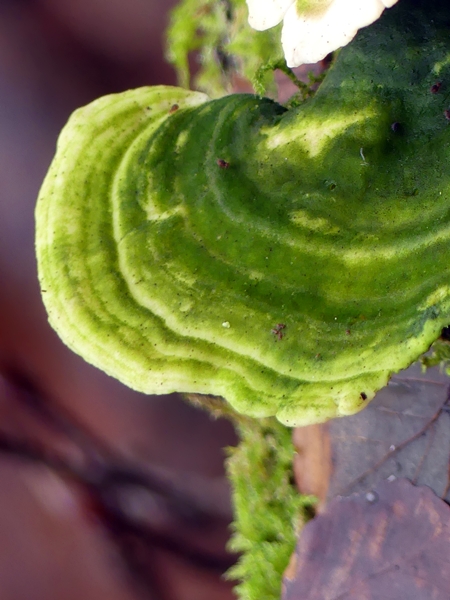
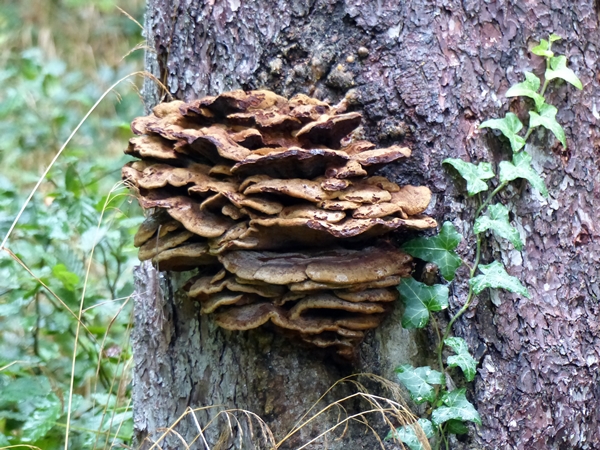

And still I’m a fanghi = a fan of funghi. Polypores are also known as bracket or shelf funghi.
And still I’m a fanghi = a fan of funghi. Polypores are also known as bracket or shelf funghi.
It might be an odd subject for the middle of winter but I came upon these weatherproof hay bales during the little bit of snow we had recently. And it reminded me of other winters and packed and sealed bales of hay.
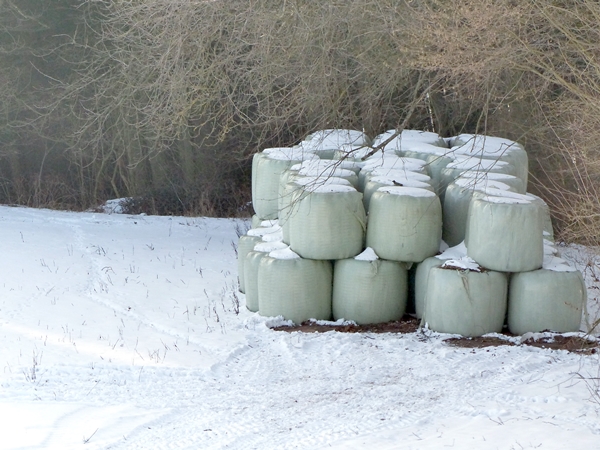
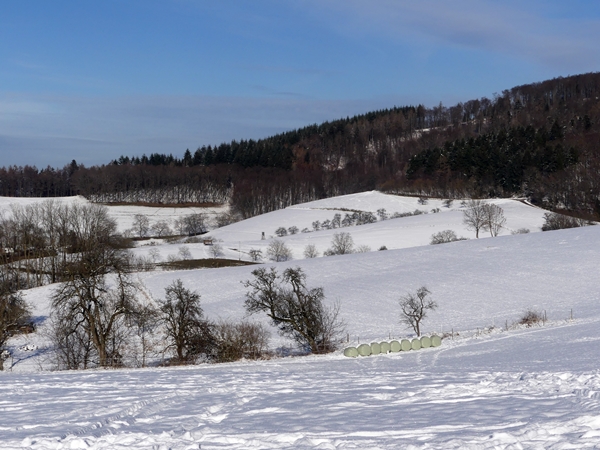
Of course, plastic, plastic everywhere these days and the bales are wrapped up and stacked right after the hay being cut.
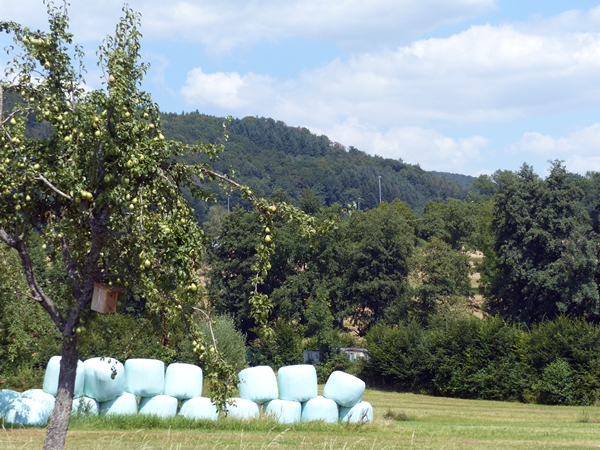
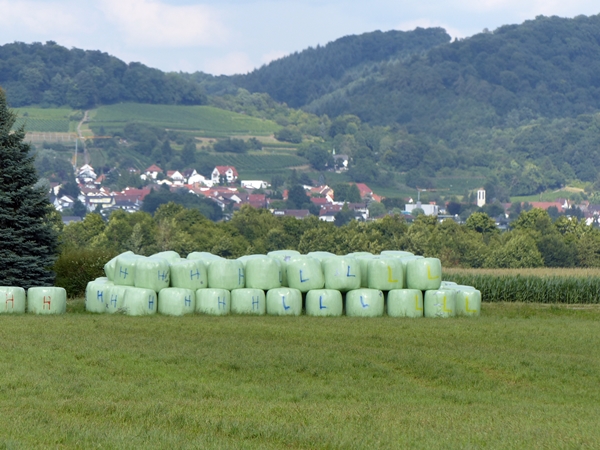
What used to be manual labour is done by a bale press nowadays. Almost uniform bricks of hay are already pressed in the meadow or huge round bales driven through the village to the barn.
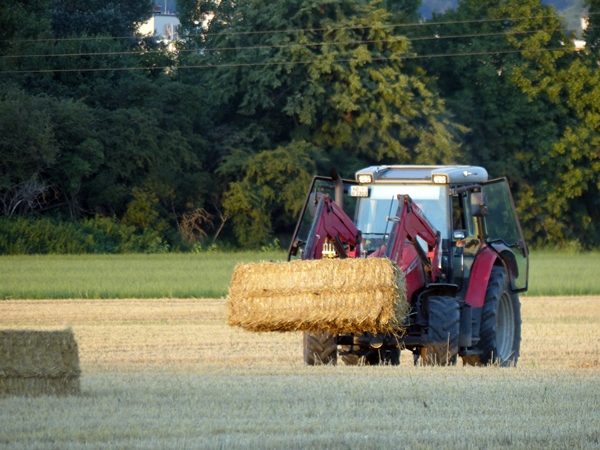
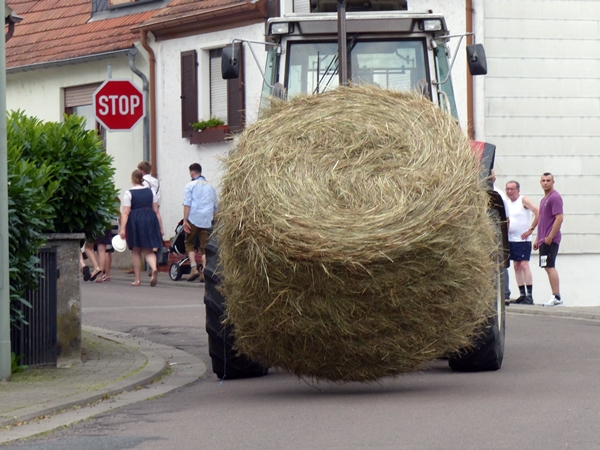
Storks and egrets and herons follow the bale presses for immediate and delayed rewards.
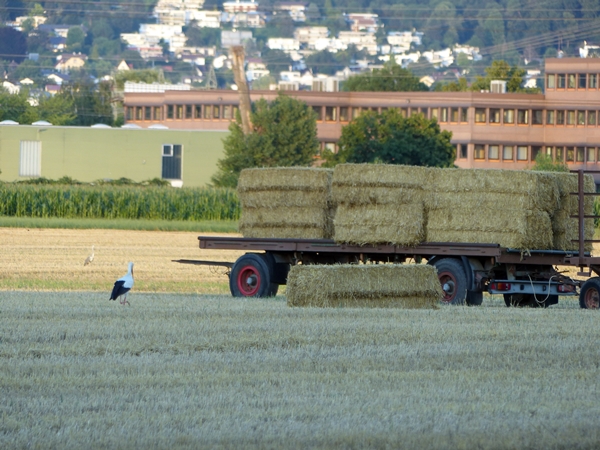
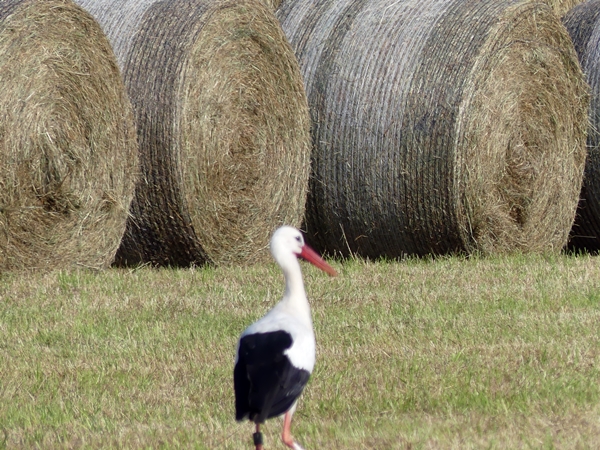
The bales are left in the fields for a while or stacked in the barn.
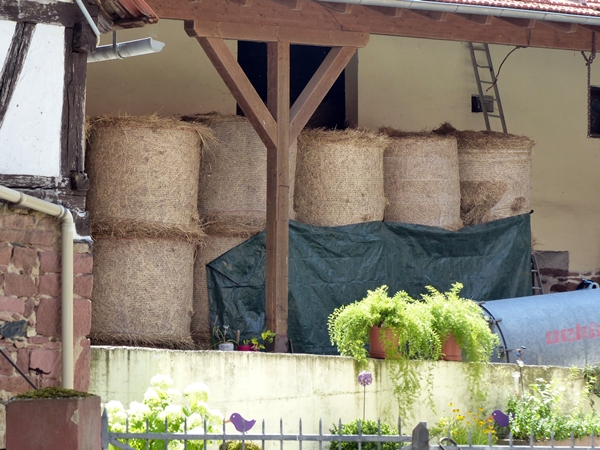
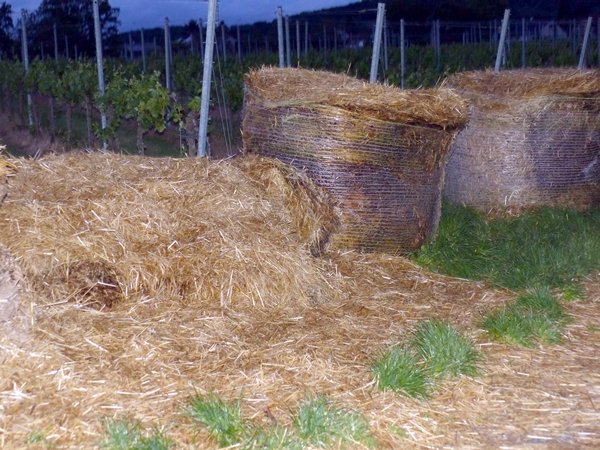
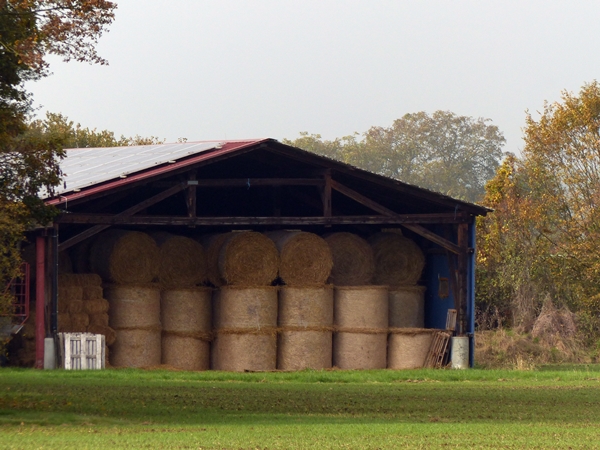

Stragglers like this lonely bale are shown the way by Karl, the haystack dummy.
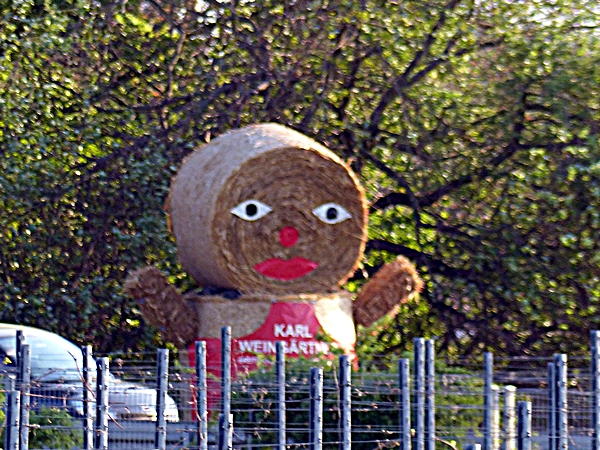
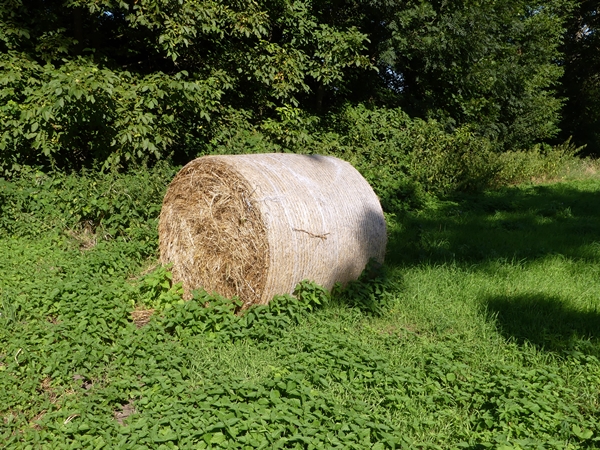
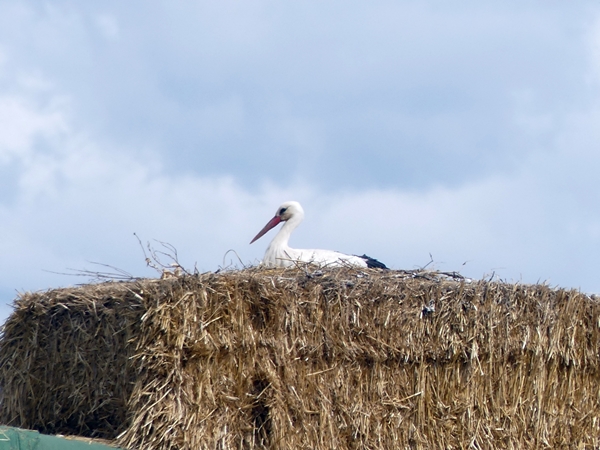
Good things come to those who wait. And even the stork is rewarded for its patience.

I happened to be in Michelstadt im Odenwald a couple of days ago and came across this frame with the thieves tower behind it. It made me think of other frame installations I’ve seen in the past.


Ladenburg has frames like this along the walk through town to show what the area used to look before the walk was constructed.

This frame is from Leazes’ Park in Newcastle, behind St James’ Park of football fame.

Only a few kilometres to the east in Sunderland is this big shutter framing Roker lighthouse.

And the ultimate frame high in the Alps opposite this view:

The Eiger in the Bernese Alps.
Fan of … #95 where you can find more fanatical photos.


Linked to I’m a fan of …#92. For more fanatical photos click there.


Lost gloves, found gloves, gloves in use.
Linked to I’m a fan of … #58. For more fanatical photos click here.
Last week it was snails, the homeowners amongst gastropods. So today I’m turning towards their poorer, homeless cousins: slugs.


Linked to Fan Of … #38.

I am a fan of snails. They are unbeatable as photographic subjects – they are not static yet slow enough to be captured.

I can photograph them full frontal

or from the top or

or sideways with lots of background.

They’ve stayed still enough to serve as models for sculptures or

as reliefs on fountains.

They look good with lights inside

and when they disappear in the woods.
Linked to Fan of … #37.
The English word squirrel and the German word Eichhörnchen have nothing in common except their meaning, yet in both languages they are considered to be amongst the most difficult words to pronounce and an almost fail-safe recognition of non-mother-tongue speakers (btw: I am very proud of my pronunciation of squirrel, apparently I pass the squirrel test, I have more difficulties with other words).

For some reason or other I come across squirrels almost exclusively in cemeteries. They seem to watch me as much as I watch them.

On their hind legs the little creatures look especially cute and somehow human.

Another cemetery, a different squirrel.

The squirrels of the Munich West cemetery are black rather than chestnut brown.

Either this one let me get closer or I’ve become a better photographer.

And this is the only non-cemetery squirrel in my collection: I’ve caught it literally and figuratively red-handed, raiding the bird feeder.
A Fan of … Squirrels contribution. Check out more squirrels here.


 pictures imperfect blog