One Word Sunday: Angle

One Word Sunday: Angle

Thursday Trios
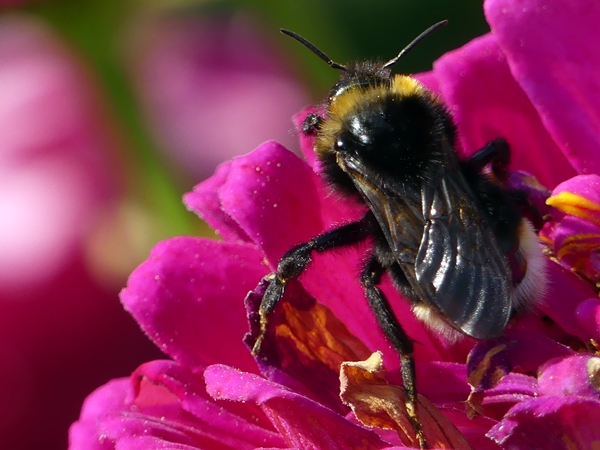

Attention on the flower with bee and attention of the (huge) buff-tailed bumble bee.
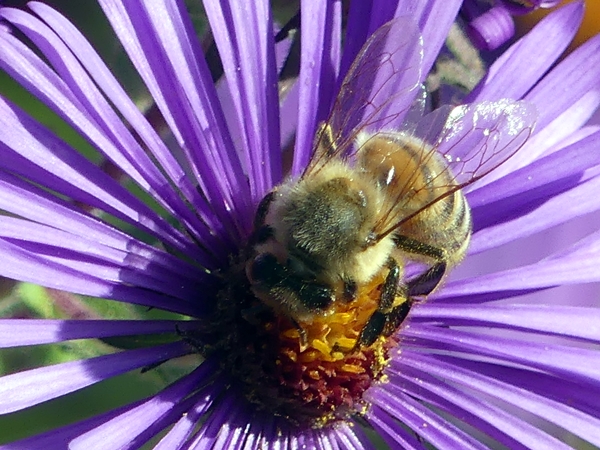

Emphasis on the waves of lilac asters or emphasis on the single bloom with a busy visitor.

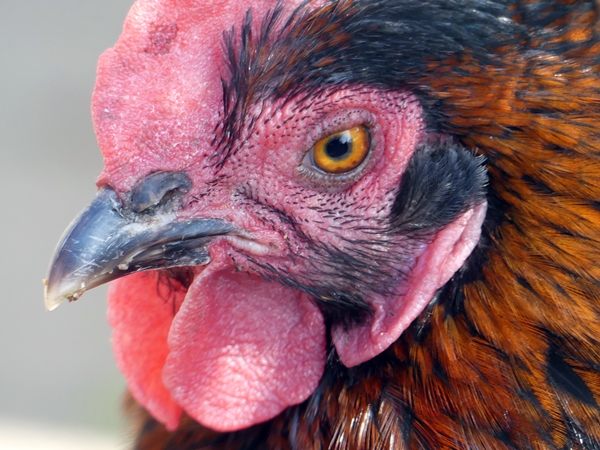
The cat or the chicken, fur or feathers, green eye or orange eye.
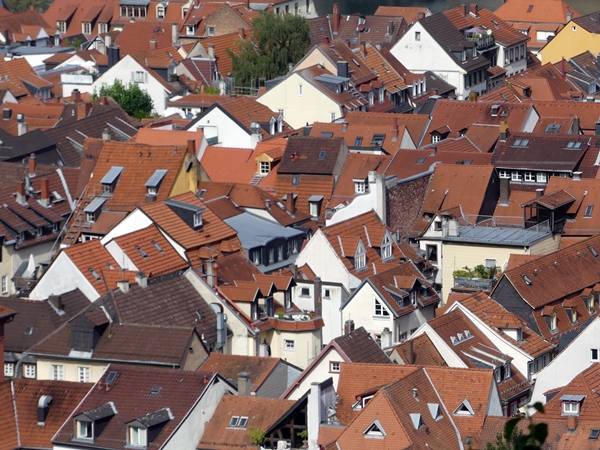
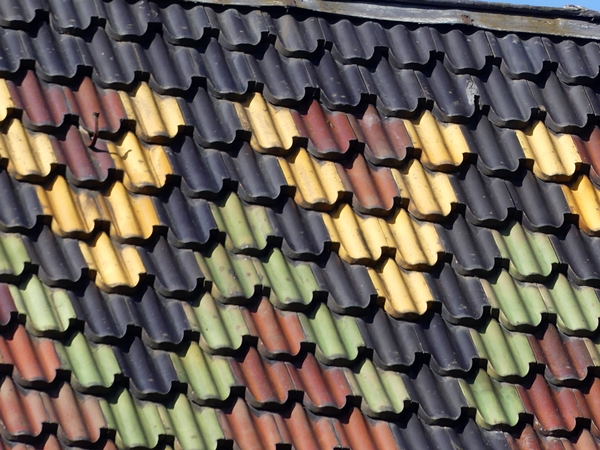
A single colourful roof in Heidelberg on the northern side of the river Neckar and the roofs of the old part of Heidelberg town as seen from the castle above.
Lens-Artists Photo Challenge: Fill the Frame
.
.
..
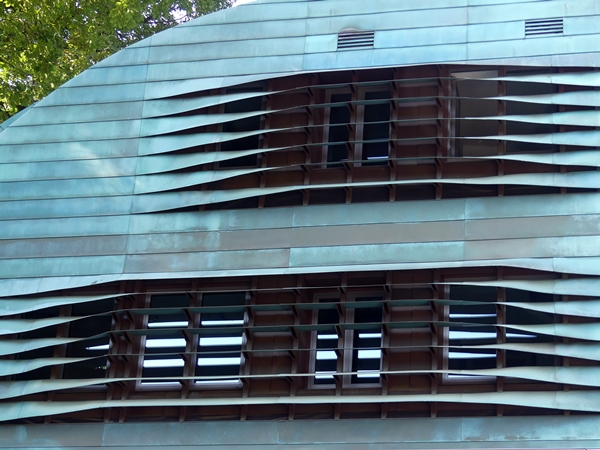
But are these awnings? Shutters? Dormers? Is it a roof? Or a facade?
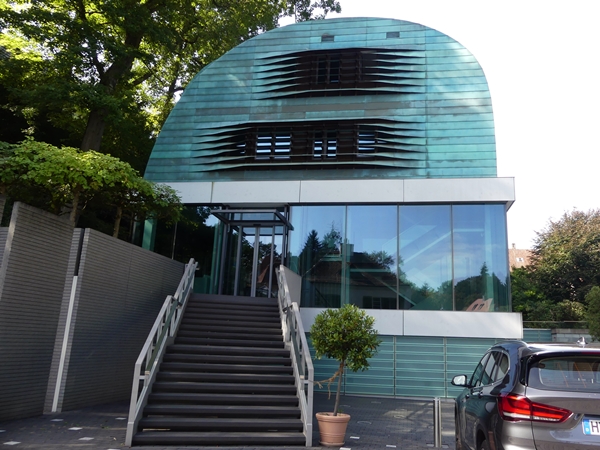
It is the Carl-Bosch-Museum in Heidelberg. Carl Bosch was a German engineer, and chemist, and a Nobel Prize laureate. The technical museum is situated behind the Heidelberg Castle with quiet a curious mixture of exhibits. Some are from his private life, exhibits from his time working with high pressure apparatus are displayed on the outside, mainly because of their size, and then there is the modern building featured here which houses a wonderful collection of technical experiments, designed for children but equally fascinating for adults.
The building does justice to this innovate approach.

.
.

This house with tower or small castle or possibly mansion is situated just underneath the Heidelberg Castle. It’s reminiscent of Disney castles, isn’t it?
.
.

Over a stretch of 3.5 km there are four bridges in Heidelberg. In this photo I managed to catch all four of them. The one in the foreground, barely recognisable as a bridge, is the footpath on top of the waterlock.
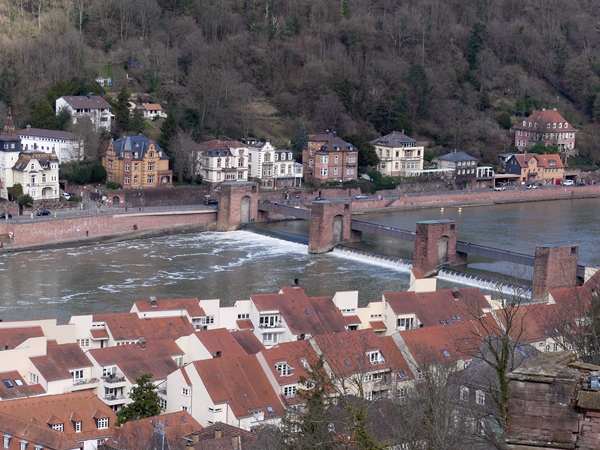
The next one is the Old Bridge just underneath the Heidelberg Castle. Although many years ago it was open to cars but now it is exclusively open to pedestrians, mainly tourists.
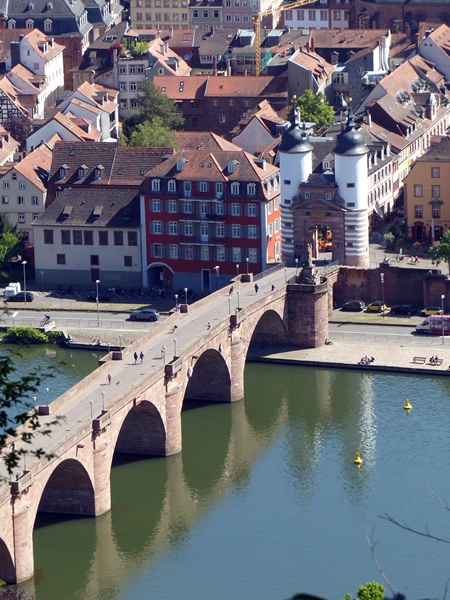
The third one, named after the first president of the Federal Republic of Germany, Theodor Heuss, is also a two lane road with a wide pedestrian lane and an extra bicycle track. Where it crosses the river Neckar the old part of Heidelberg (and the long pedestrian-only stretch ends.
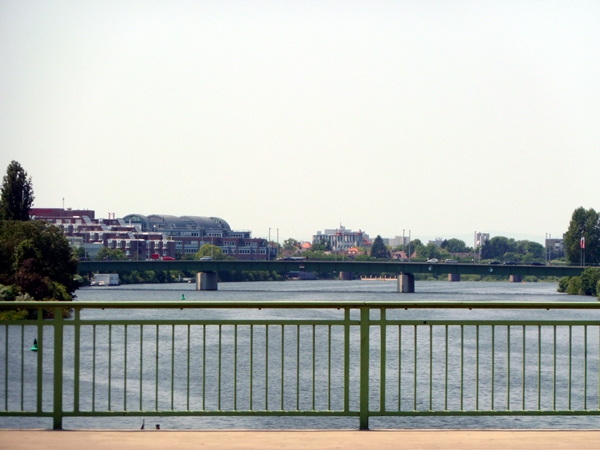
The last one, the Ernst-Walz-Brücke named after the Mayor of Heidelberg in the first part of the 20th century, is a four lane road, not particularly pretty but utilitarian and very important for Heidelberg’s traffic flow. The bridge pylons can just bee seen in the last photo.
Cee’s Which Way Challenge: Any type of bridge

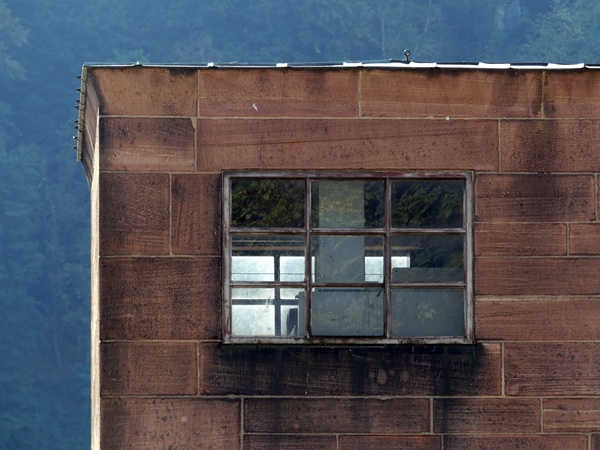
This is Heidelberg, just before the Old Bridge beneath the Heidelberg Castle.

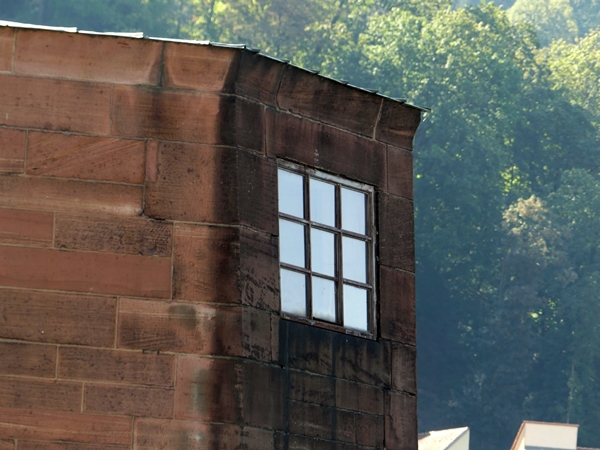
The windows of all four towers are old and identical.

.
.
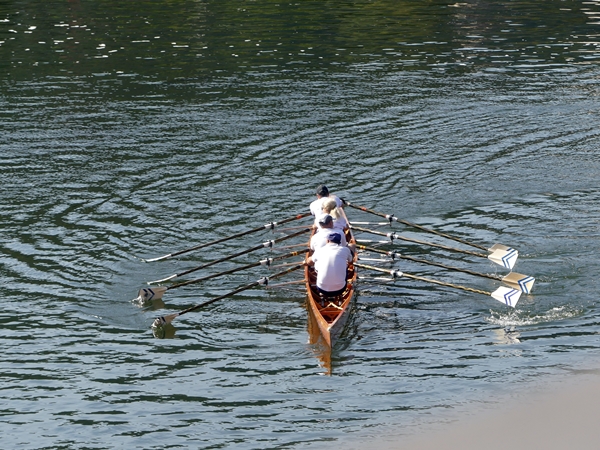
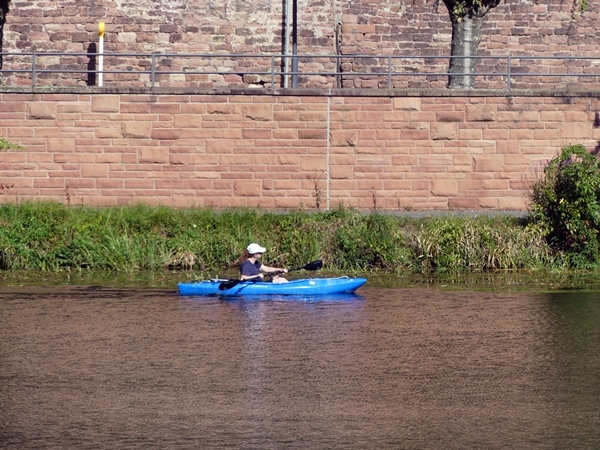

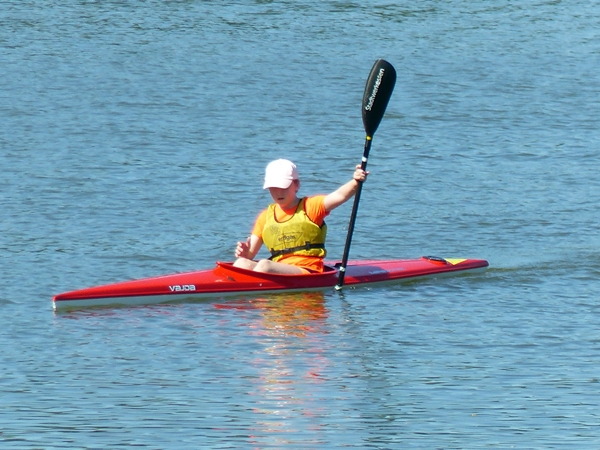
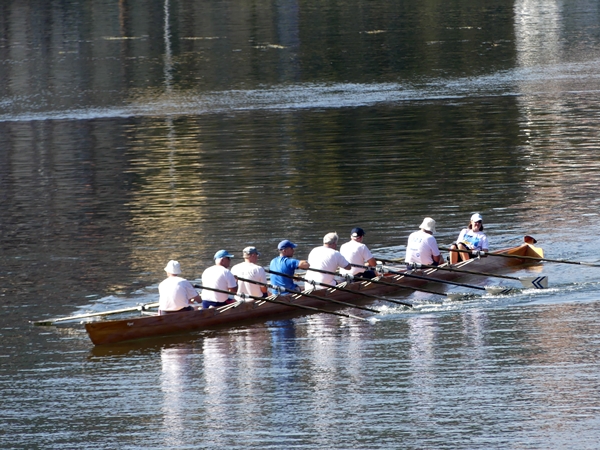
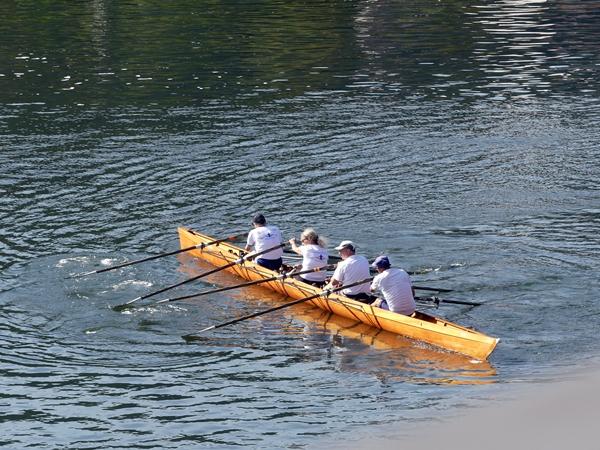
On the river Neckar near Heidelberg. Sunday morning is the time to go on the water.
.
.
..
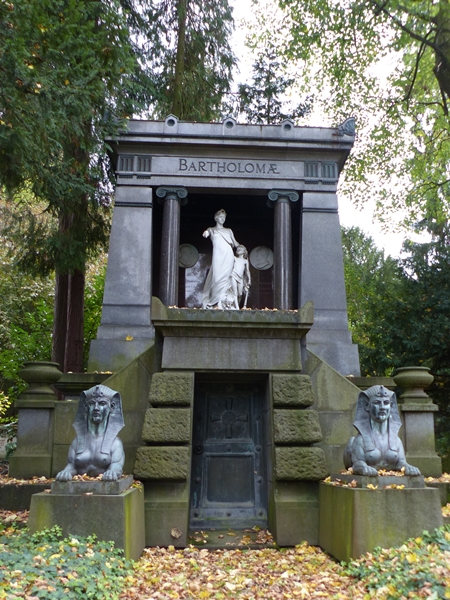
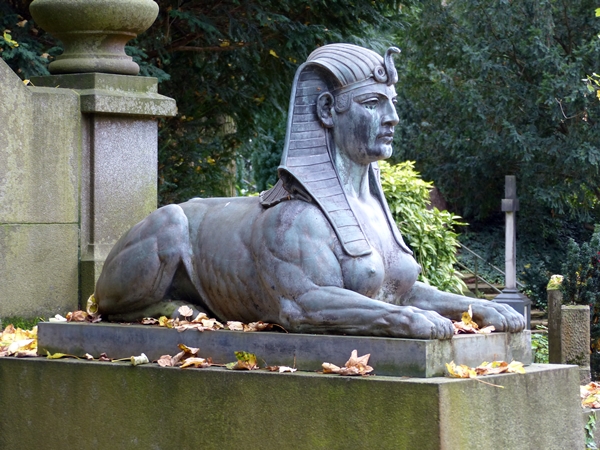
He went to America, got rich brewing beer, returned and settled in Heidelberg and had this sepulchral monument built for his wife and himself.
Ragtag Daily Prompt: Grandiose


 pictures imperfect blog