

Ladenburg has a unique viewing platform.
Linked to One Word Sunday: Arch.

This mural was created in 2005 on the walls of an underpass by a dedicated arts class of the local Carl-Benz-Gymnasium in Ladenburg. It illustrates figures from the history of the town. Here are the figures in historical sequence:
And in case you missed the cat:
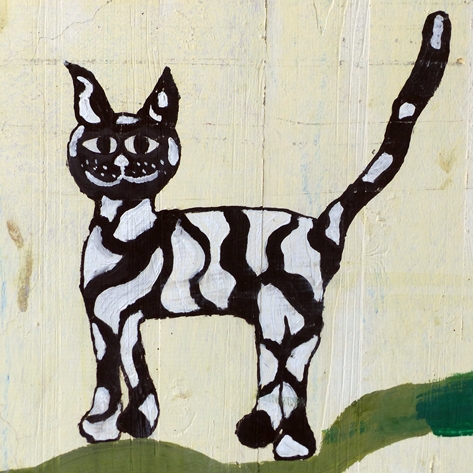
For Cee’s Fun Foto Challenge: graffiti & murals.


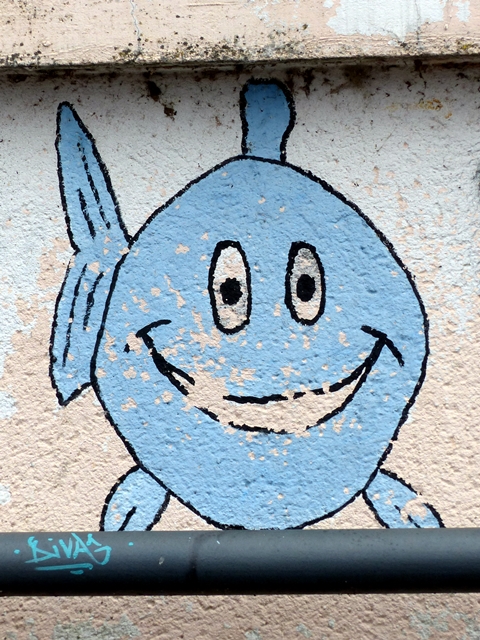


As I live at least 400km away from any coast I have to rely on old holiday photos and pictorial representations of sea creatures. In all cases, these were “out of their element”.
Linked to Friendly Friday: Sea Creatures.
“Photography is about finding out what can happen in the frame. When you put four edges around some facts, you change those facts.”
Garry Winogrand

Step through the frame and find out (Leazes Park in Newcastle).
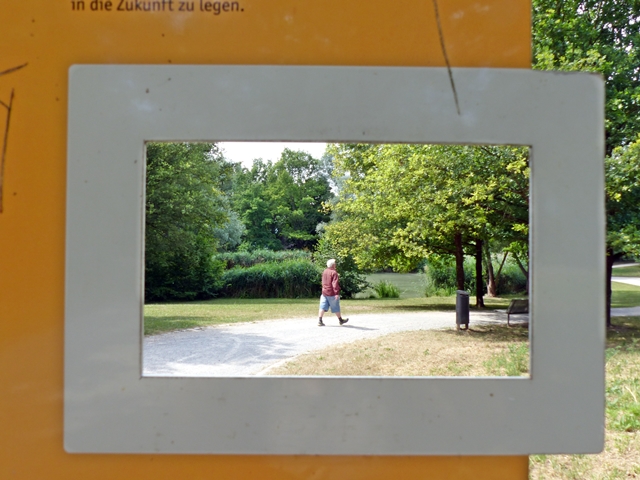
And he stepped through the frame.
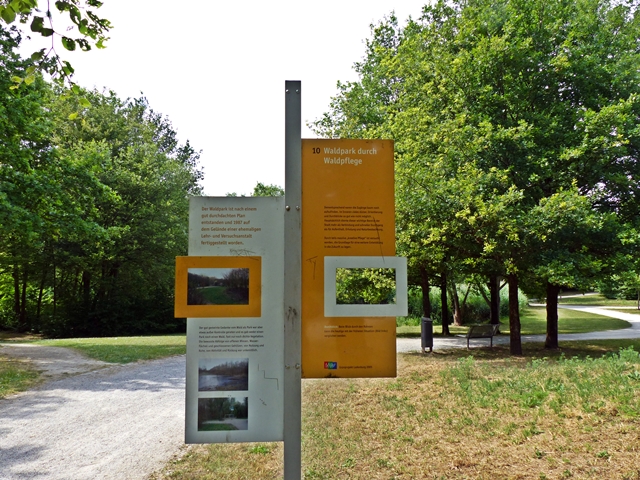
In Ladenburg they have these signs all over town to show how the landscape was changed to make paths and parks more inviting. On the left are photos of what it looked before and it can be compared with the reality today. It was found that just putting up the photos wouldn’t be enough, so a frame was offered, similar to the frame of the old photograph to make the views comparable. Because a frame changes things.


A frame also helps to focus the attention. Or possibly, it allows people to cope with nature if they are used to seeing things only framed ?
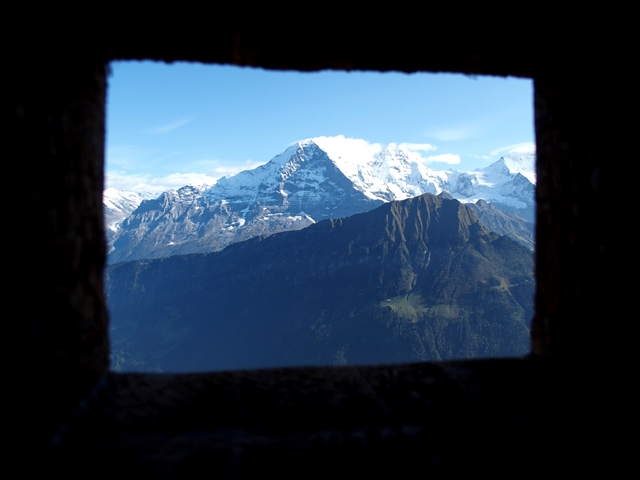
Linked to Travel with Intent. More photos inspired by the quotation by G. Winogrand (what a wonderful name!) are collected here.


Some Monday Windows with pretend framing or applied illusionism. More posts for Monday Window can be found here.


Balconies in the centre of the town of Heidelberg.

And in Frankfurt – more green, less flowers.

The townhall balcony in Lampertheim – geraniums are the perennial favourites for balcony gardening.

This is more colourful, seen in Ladenburg.

More geraniums, in Weinheim.

No flowers at all, yet the feeling is definitely “holiday in Balconia”.

The old part of the town of Weinheim is built on an incline. The rooms behind the lower row of balconies are street level on the other side of the house. It looks even higher when shown with the more modern houses in front:

Linked with Friendly Friday: balconies.


Linked to Simply Looking Up. I was looking up at a look out point over the river Neckar, in Ladenburg, Germany.


