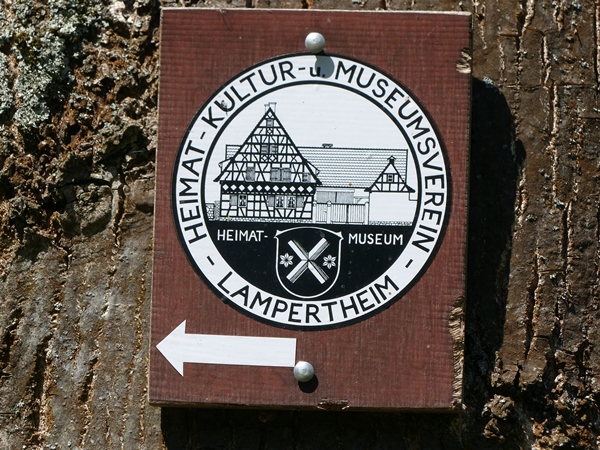
Tag: Lampertheim
Round the Bend

One look at the map of of Europe confirms that the Rhine is a fairly straightforward river flowing in a pretty straight line through the Upper Rhine Valley between Basel and Mainz although it’s a wide plain that would invite any river to meander.
Well, it used to. Until Johann Gottfried Tulla came along in the early 19th century and presented plans to straighten the riverbed and make it easier for shipping traffic. His plans were executed and industry had a very profitable waterway as a result.
The riverbends of the old river were still there once the straightening was complete although in most cases cut off from the flowing river. And many local recreational areas were thus born, smaller and larger lakes, sometimes with islands, open for swimming, boating and wildlife. In other words – this is definitely a more natural state than the shipping route on the other side.
One such area can be found just north of Mannheim, the Lampertheimer Altrhein.

Bird life feels relatively safe on the stretch of land which forms a barrier between the new and the old Rhine.

A grey heron struts his stuff.

This mandarin duck hen was on her own. These ducks are not indigenous to Europe but it’s not uncommon to see a single one or a pair near native duck varieties. Not being a birder, I would have had an easier time if her mate had been around.

And this swan was definitely feeling right at home and let down his feathers.
Cee’s Fun Foto Challenge: Water found in Nature
Old Waterbodies of the River Rhine

“Today has been a day dropped out of June into April.”
L.M. Montgomery, Anne of Windy Poplars
Before 1817 the Rhine meandered through the wide plane between Basel in the South and Wiesbaden in the North. Then the river was canalised according to the plans of Johann Gottfried Tulla. The left-over ox-bows and side arms, some completely separate from the river, some with a connection, have mostly been turned into local recreational areas.
I took the photo last week – the weather was almost balmy, with a slight wind mingling the scent of the water with blooms from the trees on the gardens on the landside. Perfect for a birthday stroll!
Find more photos inspired by the quote at Travel with Intent.
Passing it forward

One Word Sunday: Small, smaller, smallest.
Put your asperagus on the table


This sculpted group stands in Lampertheim, a salute to the asperagus farmers and sellers right in the centre of the traditional asperagus growing regions. I stress traditional because with the advent of plastic covering on fields (and a bit of help from global warming) white asperagus is farmed in many areas of Germany. In the wide Rhine valley the climate was always favourable and in combination with the sandy soil which has come on southerly winds from the Sahara dessert for aeons it became ideal for this spring vegetable. Germans eat “Spargel” with a passion and the season is from early spring until traditionally 24 June in order to give the plants time to recuperate before the next season. To this day more than half of the German asparagus is sold on roadside stands and in open markets.
Linked to Cee’s Black & White Photo Challenge: Tables, Chairs, Picnic Tables, etc.
Getaways without getting away


Balconies in the centre of the town of Heidelberg.

And in Frankfurt – more green, less flowers.

The townhall balcony in Lampertheim – geraniums are the perennial favourites for balcony gardening.

This is more colourful, seen in Ladenburg.

More geraniums, in Weinheim.

No flowers at all, yet the feeling is definitely “holiday in Balconia”.

The old part of the town of Weinheim is built on an incline. The rooms behind the lower row of balconies are street level on the other side of the house. It looks even higher when shown with the more modern houses in front:

Linked with Friendly Friday: balconies.

 pictures imperfect blog