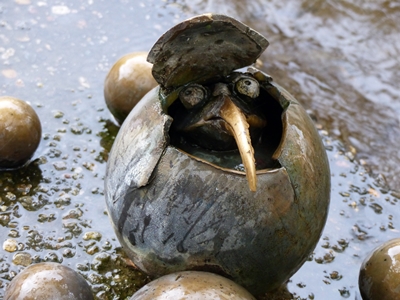
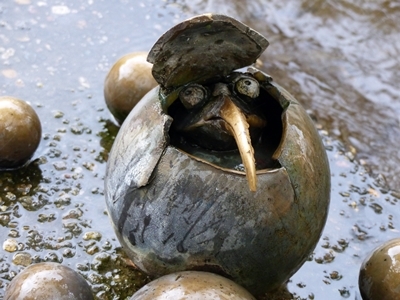
In this case it’s probbly an elwetritsch.
The Ragtag Daily Prompt: Eggshells

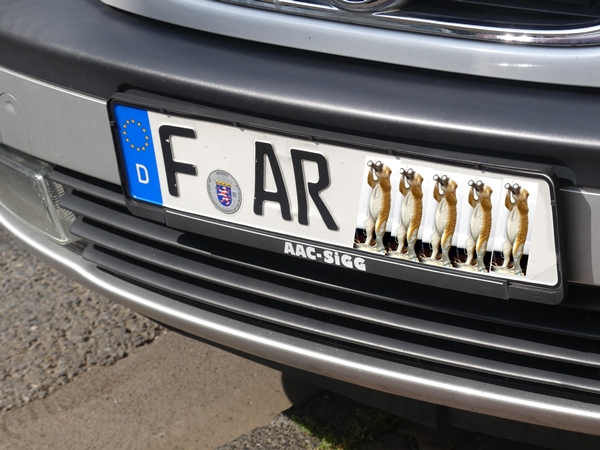
I normally look out in the other direction. Here I was in the Palatinate looking towards the east, towards the first row of hills of the Odenwald. The Bergstraße is recognisable even in 30 or 40 km distance because of the quarries. Objectively, this is … Continue reading From a Distance

The grapes are fed on the conveyer belt from where they fall into the wine press. We were at a wine fest of the co-operative wine-growers association near Neustadt an der Weinstraße. It was held in their big yard, the big machines used in the … Continue reading The Big Grape Feed

There are 19 Neustadt in Germany. That’s proper towns and not counting townships or quarters in established towns. They usually were more newly built towns and named simply to distinguish them from an older town close by – almost as if the people thought that … Continue reading #6 Let’s Build a New Town
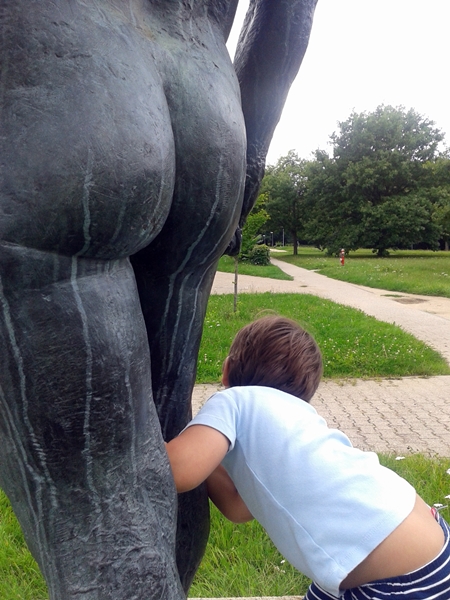
“With monuments as with men, position means everything.” Honoré de Balzac Wednesday Quotes: Monuments

The family planning of this turtle (and others like her) did not take into account our holidays on their beach in Cyprus. The hatchlings decided to leave their eggs 10 days after we had left. Elwetritsche are mythical creatures from the Palatinate. Five eggs in different stages … Continue reading Hatchlings
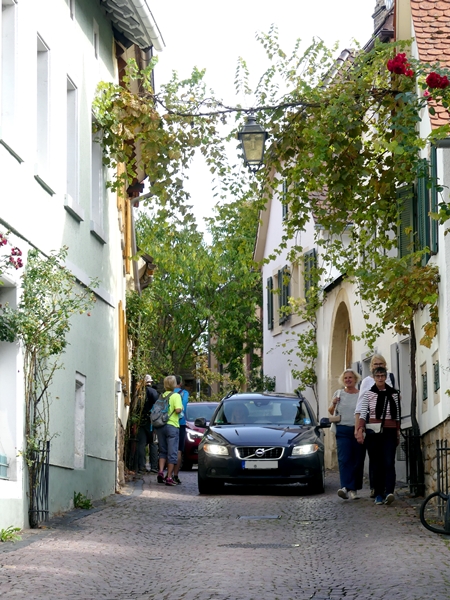
This particular alley is from Neustadt an der Weinstraße – where the name says it all: look at the vines overhead. Cars and walkers have to share but consideration widens the path so that everybody gets through.
Weekly Prompts Weekend Challenge: Narrow
.
.
..
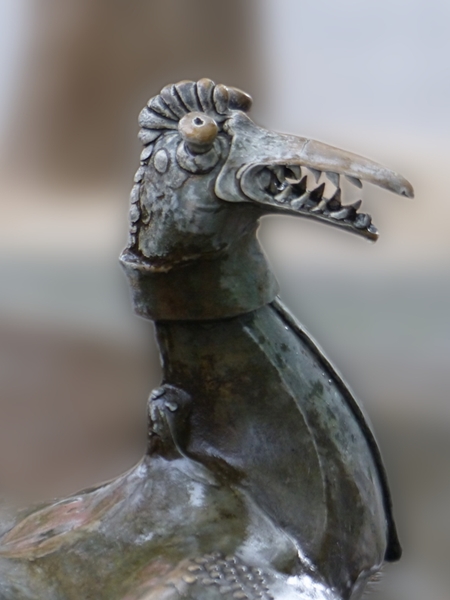
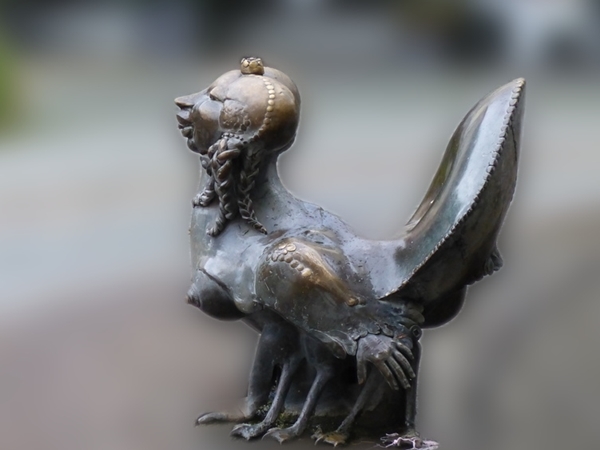
They have many tales in the Palatinate about Elwetritsche – the descendants of various kinds of fowl bred with forest dwellers like elves and goblins. I once found an Elwetritsche egg on a hike in the Palatinate Forest and since it seemed abandoned I decided to put in my backpack and carry it with me. Unfortunately, the eggshell cracked when stumbled on a big root of an oak tree and the Elwetritsch hatched right there in my pack. It was the kind which has a beak and sharp teeth and it started to hack its way through the canvas. It managed to get out and immediately fluttered and hopped into the thicket where I just manage to glance a larger Elwetritsch whom the newborn followed. I was left bewildered, with a split backpack, a swollen ankle and tale to tell in the next pub over a dubbeglas filled with a dry local wine.
The Ragtag Daily Prompt: Furphy
There is a word in the dialect of the German southwest that sounds quite similar to eldritch: Elwetritsche. Etymologically they are not related, but there are certain similarities (besides one being an adjective, the other one a noun).
Both words have a connection to the mythical, the not-quite-explainable. Elwetritsche are said to have come about by cross-breeding wood spirits such as elves and goblins with domestic fowl. Somewhere along the lines, some also acquired antlers. Hunting them is great fun but one should avoid them at night when one is alone. A meeting might be quite scary or even dangerous, if not quite as horror-inducing as what eldritch suggests.

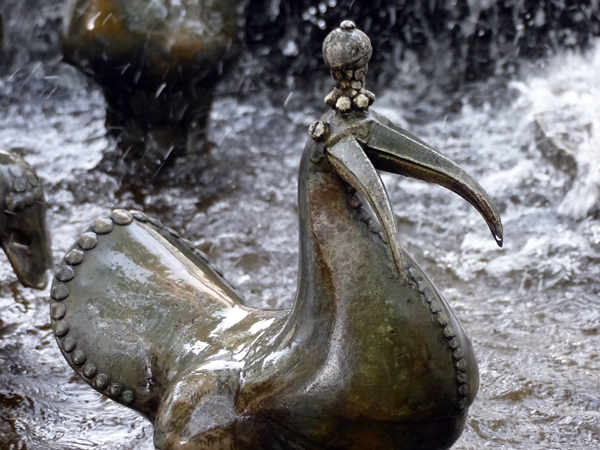

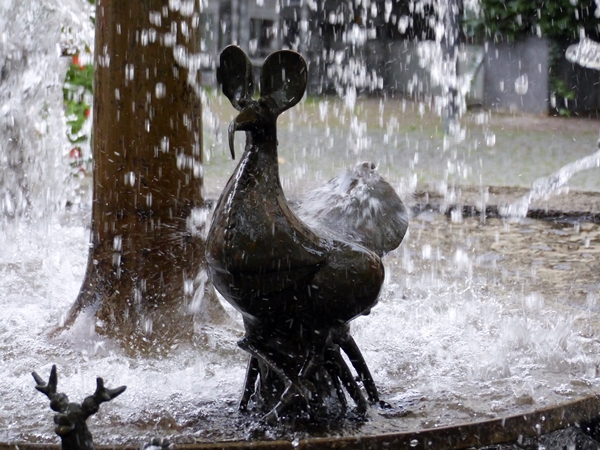
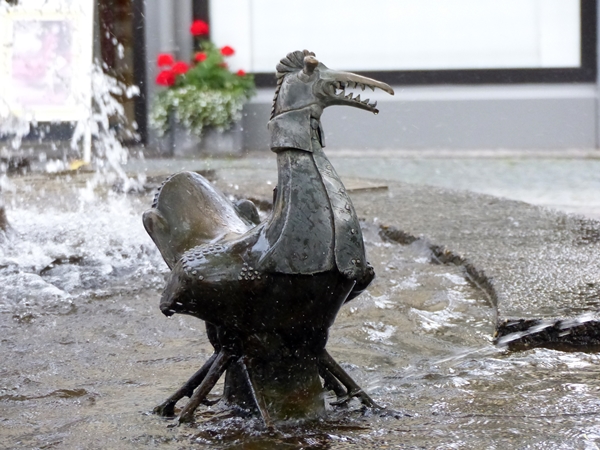
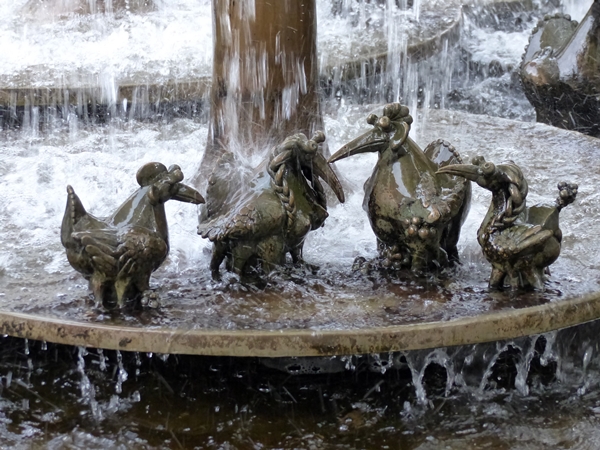
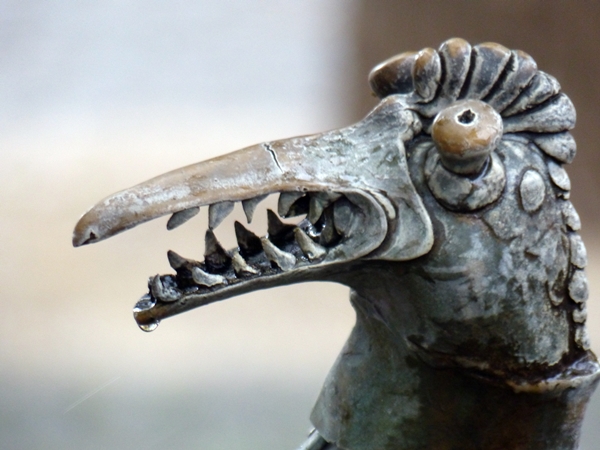

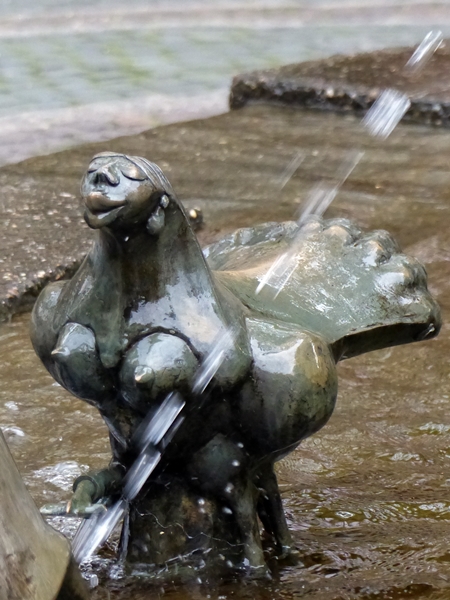

Being descendants of fowl they lay eggs. The one just about to hatch inspired me to whip out my crayons.


 pictures imperfect blog