

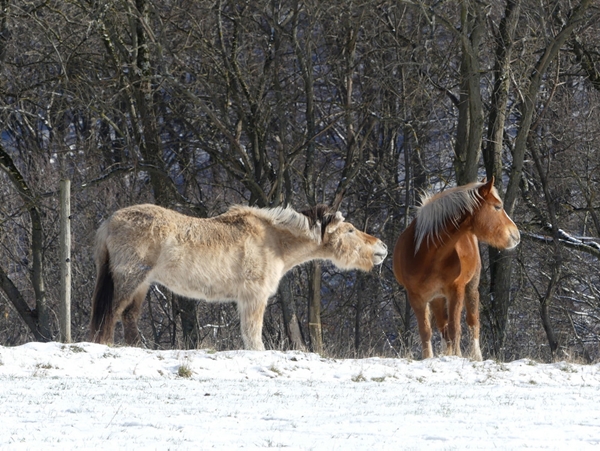
Ragtag Daily Prompt: Friend

Ring, ring, ring … Tolkien calling. Of course, I’m thinking of Lord of the Rings with this prompt. While out and about somewhere between Frankfurt and Wiesbaden I came about this incredible structure. The viewing tower in the regional park. Ragtag Daily Prompt: Ring
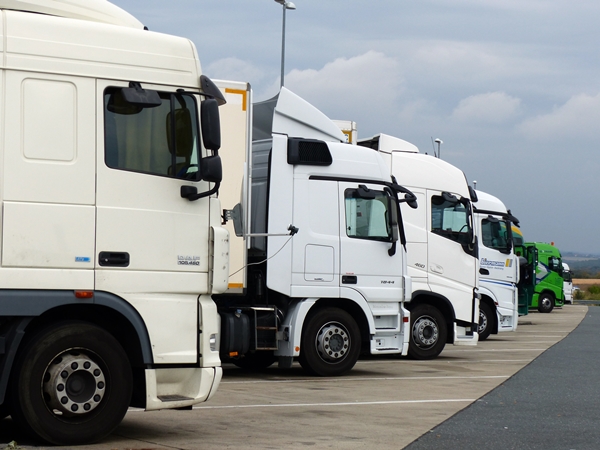
Trucks larger than 7.5 t are not allowed to drive on roads on Sundays and public holidays in Germany (with very few exceptions). Which is great for congestions particularly on the autobahn but it creates difficulties for truck drivers and parking areas. Many parking spaces along the autobahn have been upgraded but are still full on weekends (the actual hours are between midnight Saturday to Sunday until 10pm on Sunday). Truck drivers are also not allowed to drive more than 8 hours per day (48 hours per week) and the trucks are fitted with tachographs which are controlled by police.
Ragtag Daily Prompt: Juggernaut

Johann Heinrich Pestalozzi was a Swiss educational reformer. His name is well known in Switzerland and Germany and other countries – not least because most towns have a Pestalozzi Street and many have a Pestalozzi school. Without a doubt he had a great direct influence … Continue reading A Formative Experience

how could I not? Those who know know. If you don’t know let me introduce myself: I’m Elastic. Knicker Elastic. Ragtag Daily Prompt: Elastic
“Wanderlust” is originally a German word and the meaning is slightly different in the German language: it includes the yearning to go and see foreign lands but has more to do with “itchy feet” – because “wandern” means “hiking” in the sense of “on shanks’ mare”. Germans used to go hiking into the big wide world and sang while doing it.

Probably the most well-known song of this genre is: “Das Wandern ist des Müllers Lust” (hiking is the miller’s delight). Most Germans will think it is a folk song and describes a miller by profession hence it is mostly illustrated with windmills and watermills. In truth, it was written in 1820 by Wilhelm Müller (that would be William Miller), a German author.
Ragtag Daily Prompt: Wanderlust

The water reservoir Marbach Stausee was built in the late 1970s. Originally conceived for water management it is now used as a recreational area – swimming, boating, wind surfing, sailing, angling and hiking is possible.
Ragtag Daily Prompt: Reservoir

 pictures imperfect blog