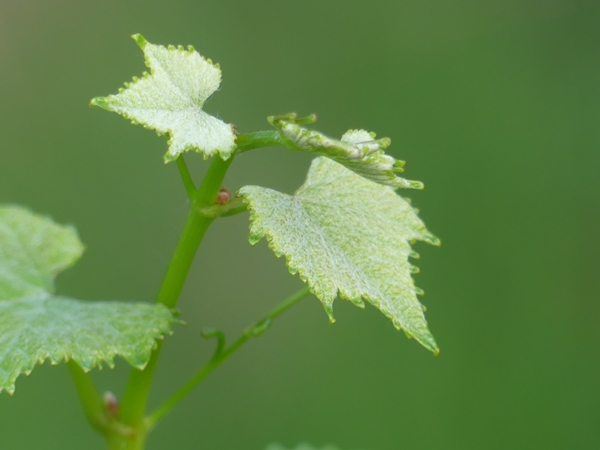
Water lilies are called “lake roses” in German. The Greek name is the most romantic: According to Pliny Nymphaeia comes from a story about a nymph died because of jealousy over Herakles and became a water lily.
Inspired by Geriatrix’ toilet signs last week I consulted my archive and came up with these:


Arranged according to age:
A Roman toilet from around the 2nd century in a villa rustica near Höchst im Odenwald. The Windeck toilet with a long drop built around 1100 AD in Weinheim. The Tiefburg in Handschuhsheim is about 200 younger but features the same kind of jutty toilet. And the simple hole in a stone toilet in Oppède-le-vieux, also from the middle ages.
.
.
..
I had never heard of the Chautauqua movement and it was an interesting read.
In Germany we have nothing quite the same, however we have the Volkshochschule – a non-profit and partially government funded adult education institution with branches all over Germany. They were founded after the first world war but earlier organisations who looked after educating people outside the tertiary school system stem from the late 19th century similar to Chautauqua. The building where our local VHS is located is also from the late 19th century.


Student fraternities start out with great expectations and aspirations: The original idea was for students to form an alliance to fight for political goals, or more specific to aim for a unified Germany through the alliance of the many individual German states (similar the U.S.A. almost a hundred years earlier – who adopted this Latin aphorism for their state motto).

……………………………………….
or is it?
A traditional half-timbered house with dark wood, white wash and white framed, rectangular windows with small panels
vs. a colourful half-timbered structure with green framed windows with one singular panel.
What do you like better?

.
.