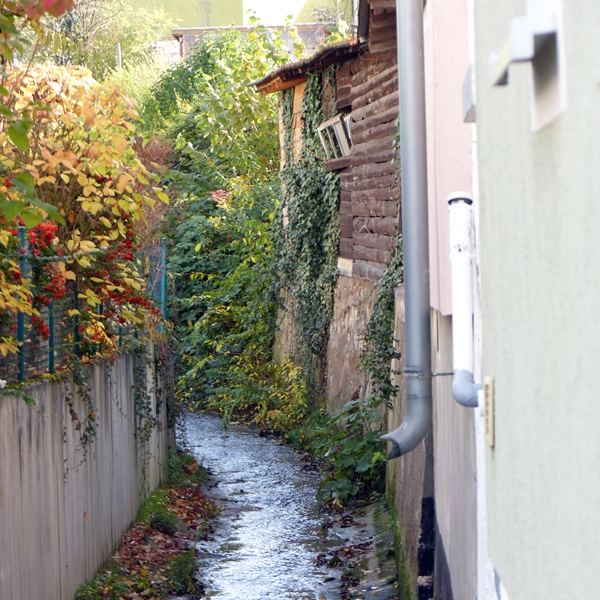
The Mühlbach flows from the hills to the plain, quite close to our house.

–
–
–
–
.
.
The Mühlbach flows from the hills to the plain, quite close to our house.
–
–
–
–
.
.

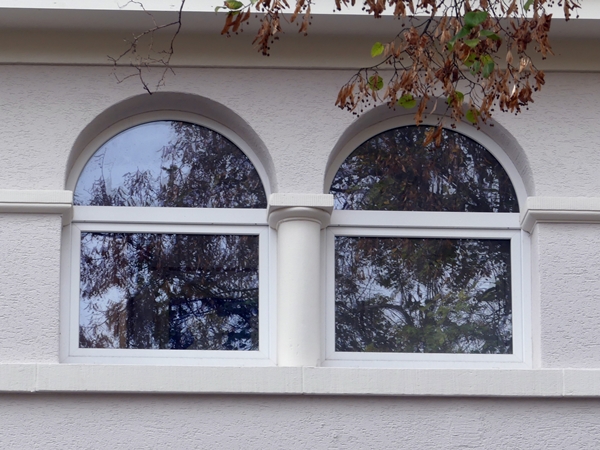
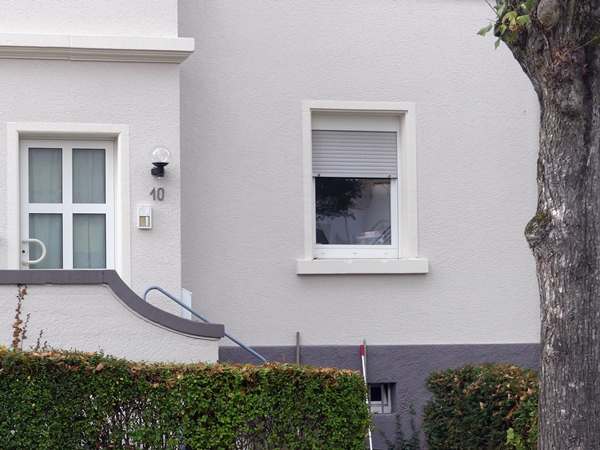
I don’t know who the original owners were but the town historians say that most of the houses in this area were built by town officials, highly paid white-collar workers, and independent business men.


.
.

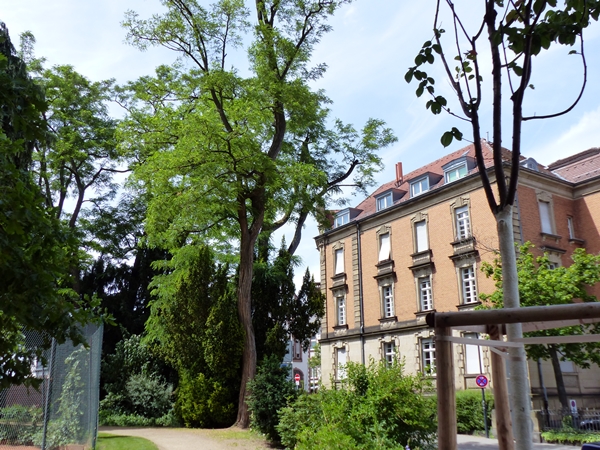
That the Amtsgericht in Weinheim, the lowest kind of court there is in Germany. It looks idyllic but cases with possible sentences of up to four years are tried here.
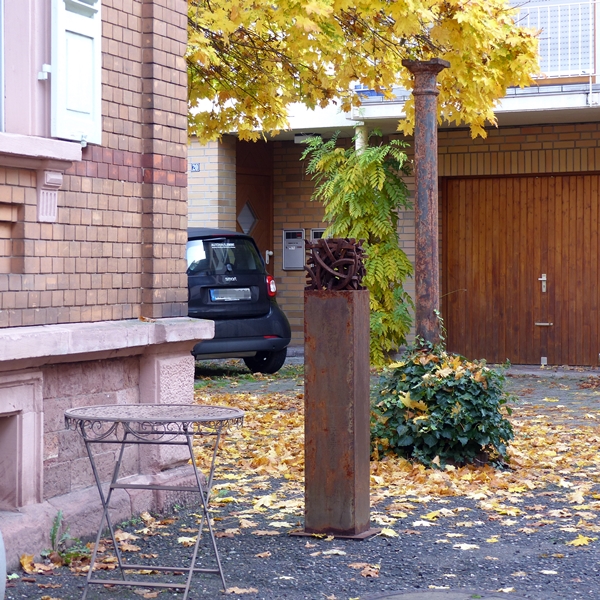
The building looks like an old school building or some such but now it is a gallery. In the yard is this square (!) column with a die made up of rusty ravel on top.
–
–
–
–
.
.

The grandkids were in town and the Gruffalo exhibit was in the town’s museum. So we went to look at the mouse and the Gruffalo and also the pre-historic mammoth skull that was dug up 50 years ago.
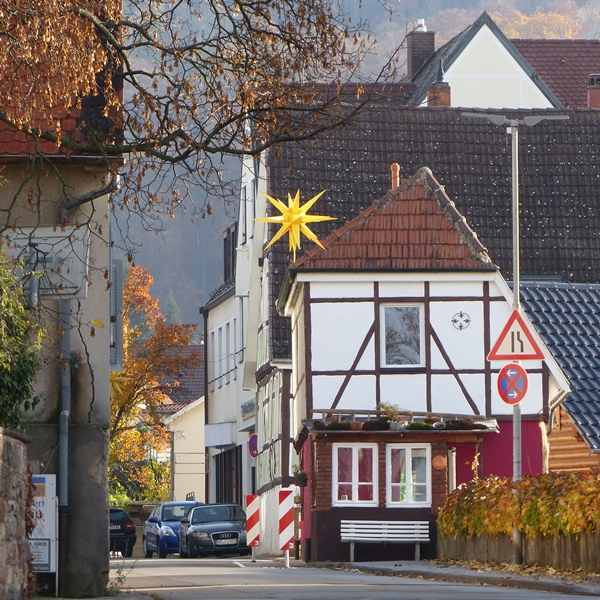
A quick walk up the street only to find out that the Christmas decorations have appeared.
–
–
–
–
.
.
The best theory why this remnant of the town fortification is called “the blue hat” is that the orginal roof was made of blue black slate, possibly destroyed during the Thirty Year’s War. But it remains a theory.
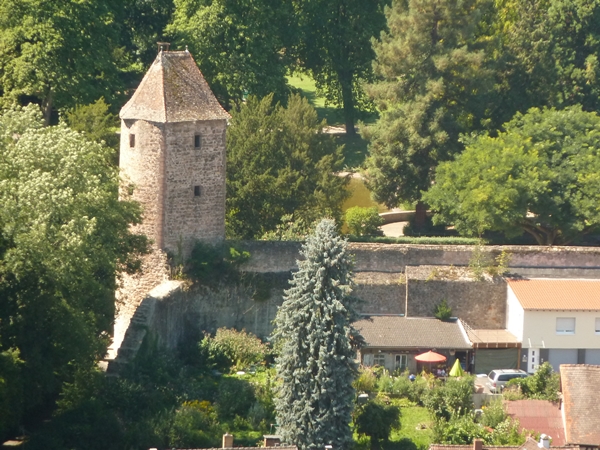
The following pictures have all been cropped and the contrast was slightly increased. All editing was done with Photoscape.

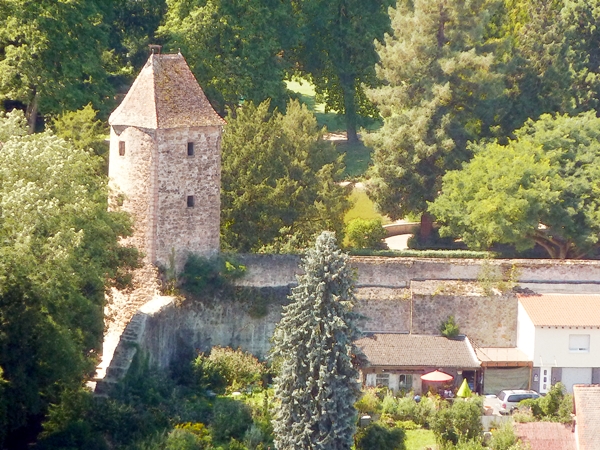


Kate’s One-to-Three Processing Challenge in October

.
.
.
.
.
.
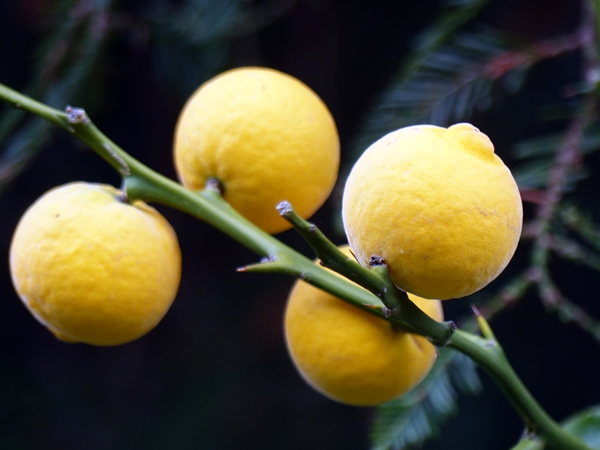
Our area is known to have the mildest climate in Germany (together with the island Mainau in Lake Constance). In the local park, adjacent to the castle, there are a couple of lemon trees. Not so unusual, there are more citrus trees in Germany. But these are the only ones that I know being outside all year long and the fruits actually turn yellow.

The tannery trade needs a lot of water, and in this part of town so many tanners had settled that they diverted a branch of the local stream to run past their houses. Now they needed small bridges to get into their houses.
 pictures imperfect blog