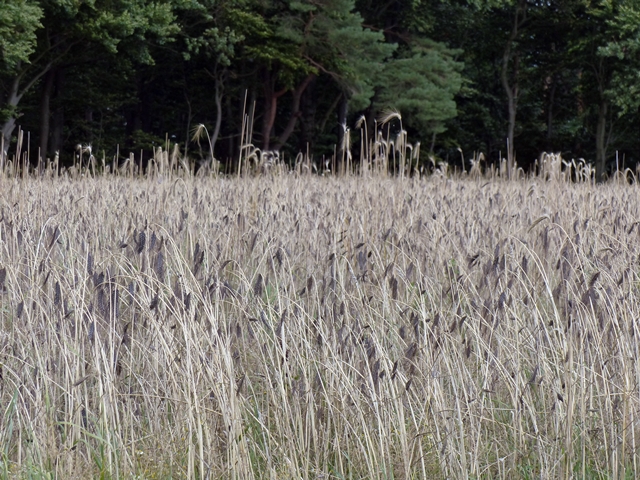
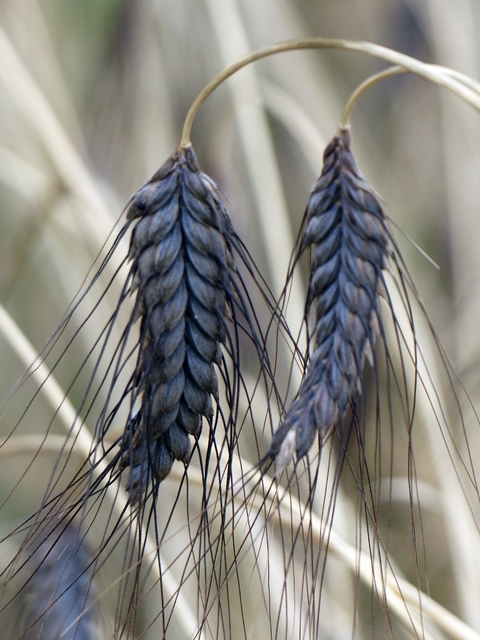
When I drove past this field I thought of a sickness of the grain, possibly to do with lack of water.
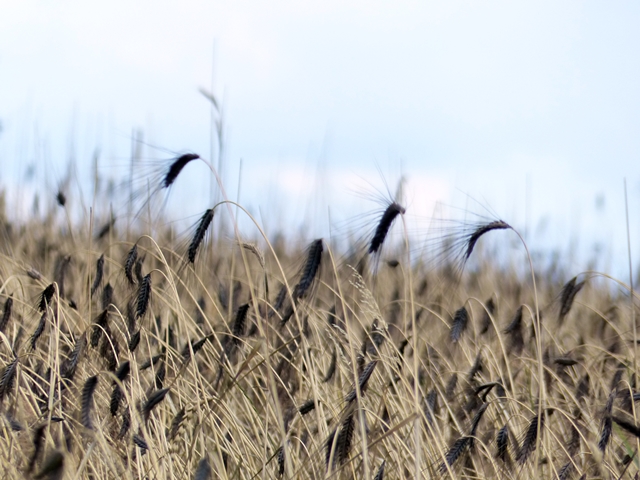
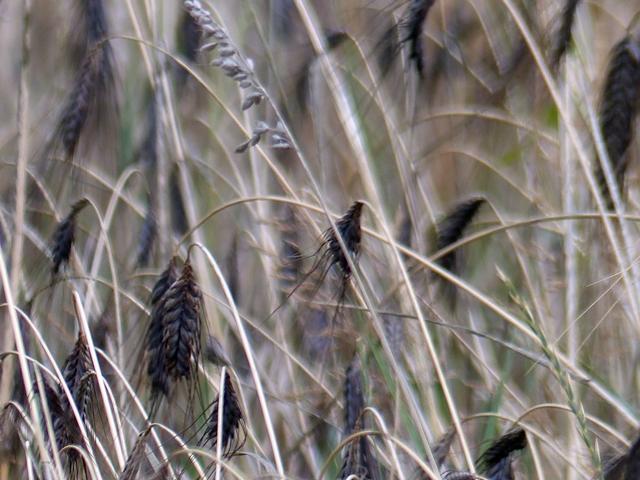
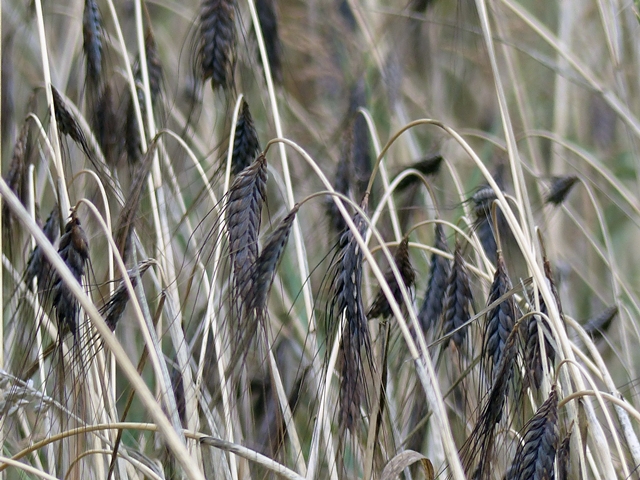
On closer inspection I was baffled rather more than less.
Until I asked a friend who is a miller by trade and was told that this is not ordinary wheat but black emmer wheat – one of the oldest domesticated crops in the world. There are still wild forms in the Middle East but it is very seldom found on fields in Europe these days.
Linked to I’m a fan of … #75. More fanatical photos can be found here.
 pictures imperfect blog
Well, I’ve never heard of it, Elke!
LikeLiked by 1 person
I hadn’t either until the miller told me about it.
LikeLiked by 1 person
So quite a rarity, then! D’you know why they want to use this variety?
LikeLiked by 1 person
I don’t think the yield is comparable to modern wheat so the only reason I can think is to cultivate an old plant to keep it alive.
In addition, they might try to find out how people with a wheat allergy react to it.
LikeLiked by 1 person
OK, sounds likely to me….and what an interesting plant it is, when you look close, as you did with your last image
LikeLiked by 1 person
I gather that some of these older varieties are better tolerated by some with delicate digestive systems than modern hybrids. Let’s keep ’em alive I say!
LikeLiked by 2 people
Most definitely, Margaret!
LikeLiked by 2 people
Wow, brilliant find Elke 👏 Love that last close-up, so clear & detailed 😃
LikeLiked by 1 person
Thanks. Yes, I was quite chuffed that I didn’t just pass by.
LikeLiked by 1 person