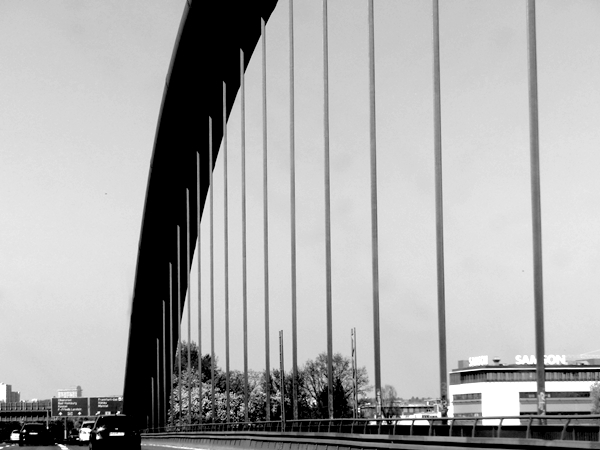
Cee’s Black & White Photo Challenge: Made by Humans
.

x
x
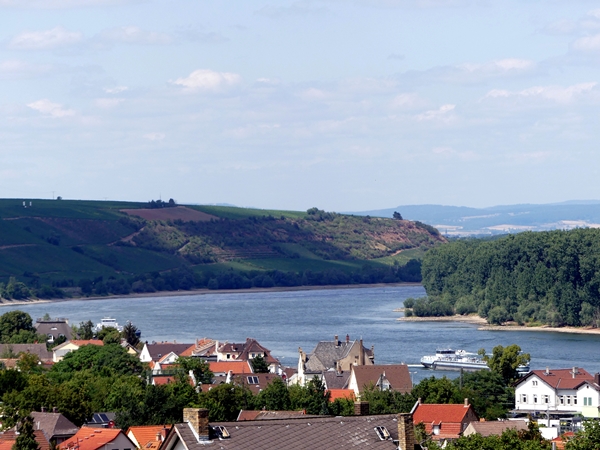
Nierstein is known for its hills of red soil, made up of clay and sandstone, which makes for famous wines – and a splendid view.
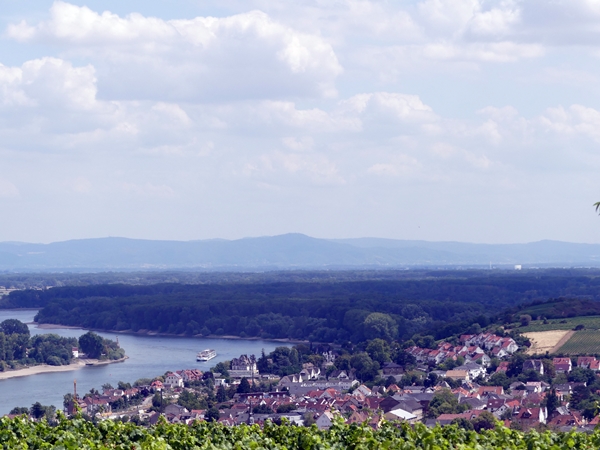
The view from the Red Slope.
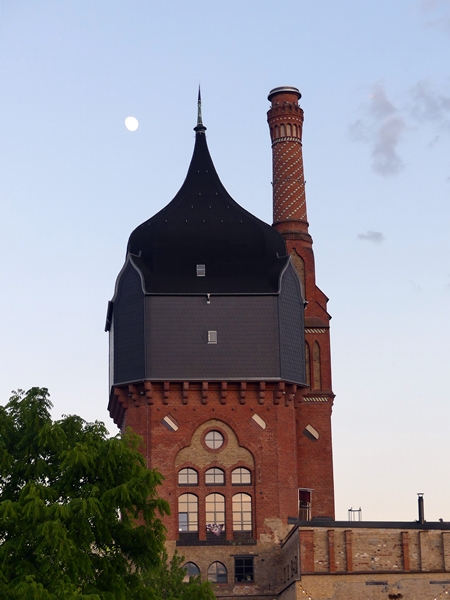
Today it’s an arts and cultural centre used for music events and plays and the like but the building used to be the Wiesbaden abbattoir.
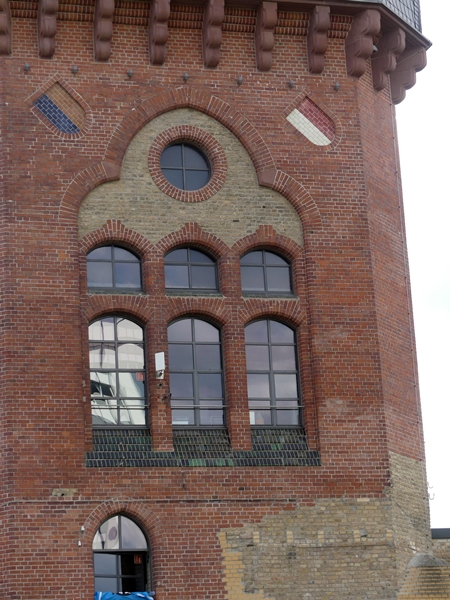
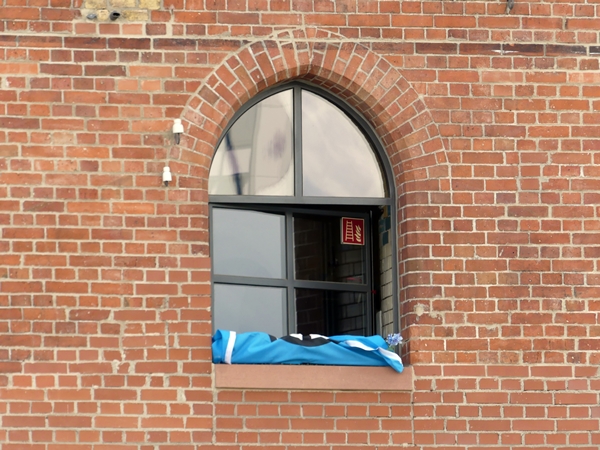


.
.

Burg Wildenstein, a fortified castle, is situated on rocky formation at 810 metres above sea level, almost 200m higher than the Danube, still a smallish stream in this area. Once up on the ridge the walls of the castle rise still higher.

……………………………………….

Last week, I admitted to being a fan of Friedrich Schiller, today I want to show off the other half of the German poetic pair, Johann Wolfgang von Goethe.
He was a very prolific writer – he lived a long life and wrote defining works during quite a few of the literary epochs he lived through, from the Sturm und Drang (the rebellious pro-romantic youth movement), through the classic era to post-romanticism. He was also a natural scientist of renown. He studied law and worked as a minister at the court in Weimar. His literary works comprise poems, novels, essays and plays – he wrote THE definitive German play, Faust (part I and II – of which I still know parts by heart).
He was born in Frankfurt am Main and so it is no surprise that his face is seen in lots of places in the state of Hesse and in Frankfurt in particular.
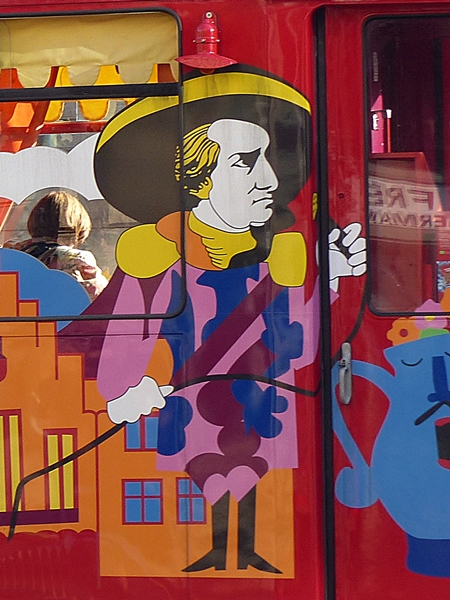

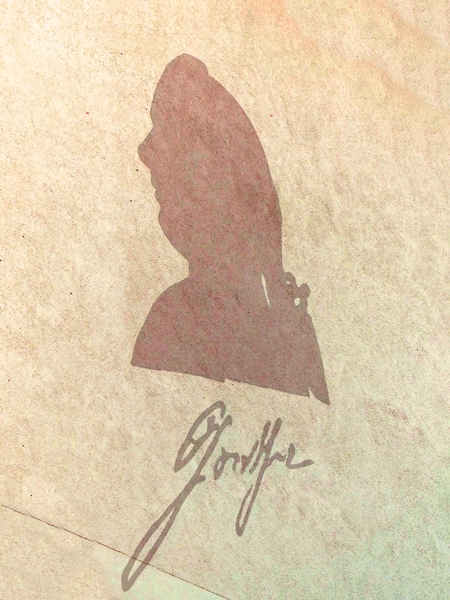
The middle picture is not from Frankfurt but I found it in Teplice in the Czech Republic.
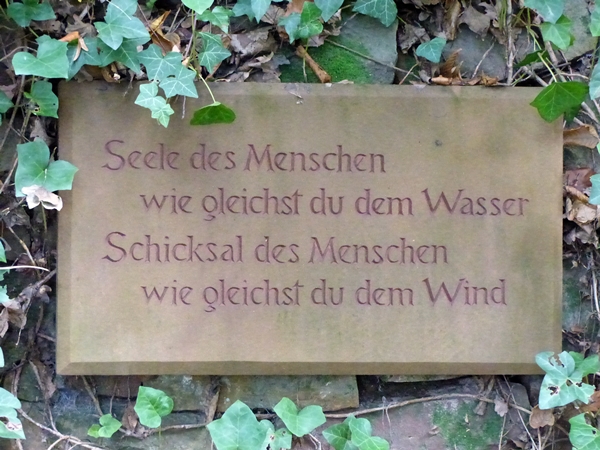

The plaque is a quote from the poem “Song of the Spirits over the Waters” and is translated as:
“Soul of man, how like to the water! Fate of man, how like to the wind!”
The mural is a quote from the novel “The Sorrows of Young Werther” and the translation reads:
“Death, where is your sting? Love, where is your victory?”
And finally a photo of the sculpture in front of the Hessisches Landesmuseum in Wiesbaden, which I found really very weird. Just look at the face of a middle-aged Goethe on top of the body a much younger man who spends his time in the gym rather than be the bon vivant which Goethe was according to all that we know.

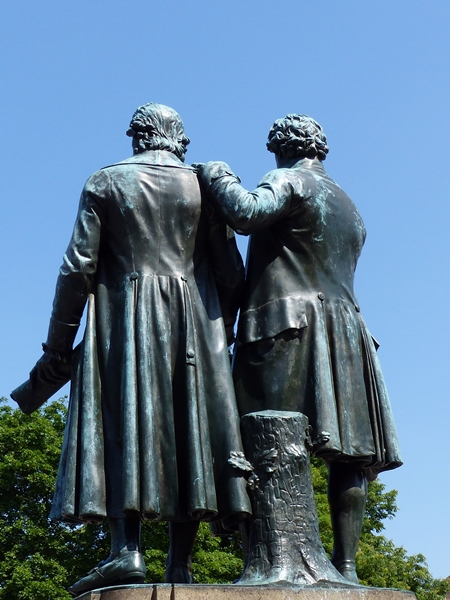
I’d rather end this post with another view of the Goethe and Schiller, the two friends.
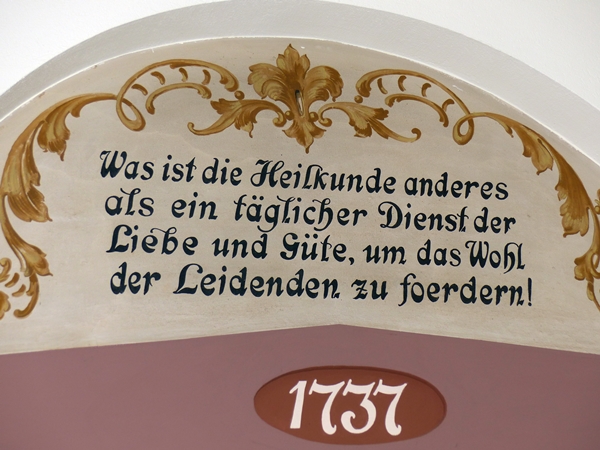
“What is the art of healing other than a daily service of love and charity to advance the wellbeing of the suffering!”
Johann Christian Senckenberg
Senckenberg, a physician, naturalist, and collector, set up a foundation and to this day the noted natural history museum in Frankfurt carries his name. He was instrumental in establishing the first proper hospital in Frankfurt in the mid 18th century. The walls on the ground floor are decorated with quotes by him.



 pictures imperfect blog