This tree stands inside the castle ruin of Lindenfels. It is already old but the tree doctors are doing everything to keep it alive and have put in splints so that it doesn’t topple over. Burg Lindenfels was first mentioned in 1123 and thus has a really long past to look back to.
This wayside shrine is standing on top of hill and it had snow on top. Nowadays no new shrines are erected in Germany but they are a reminder of a more outwardly religious past.
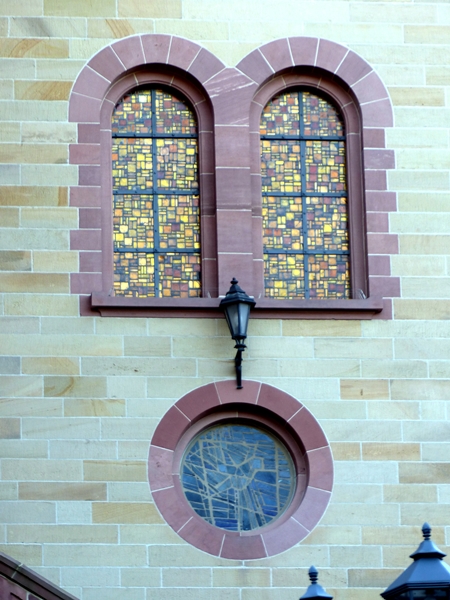
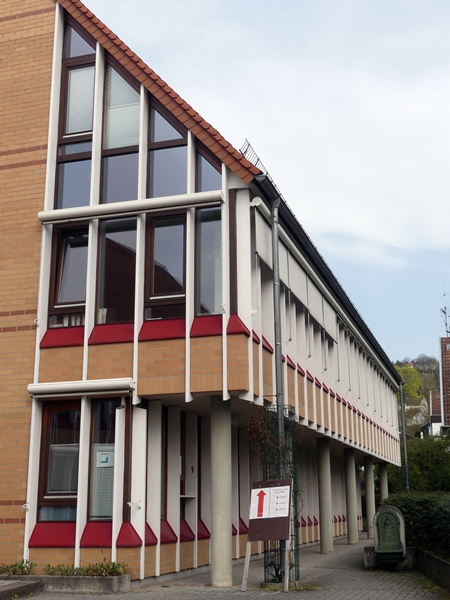
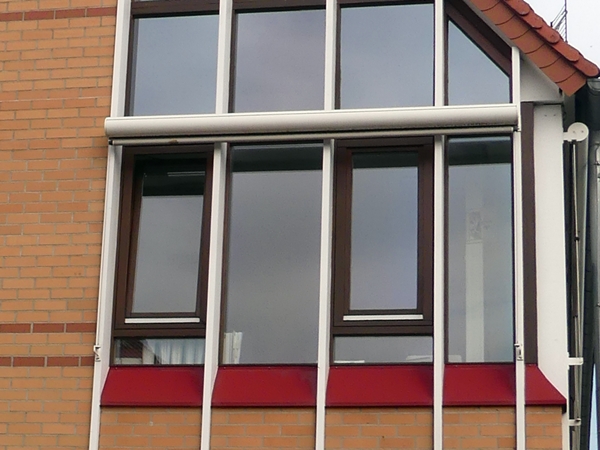
I’ve featured Neustadt an der Weinstraße quite a lot the past couple of weeks and here are a few more windows from the village Mußbach incorporated in Neustadt. They are from this house – an obvious tourist magnet.
We noticed this door while passing and all of a sudden we felt watched.
And it wouldn’t be a wine village if it weren’t for these reliefs showing scenes of grape harvesting, wine stomping and best of all wine drinking while sitting in a tub.
Sometimes perspective is forced upon you as was the case here. This herald angel stands on the parapet above a large gate inside the wider courtyard of the castle Fürstenau – the only way to look is up.
There are more than 20 towns and villages called Neustadt in Germany, meaning “new town”, so they get an affix to distinguish one from the other. Neustadt an der Weinstraße is situated on the German Wine Road, a route traversing the wine region of the Palatinate region in the southwest of Germany. It is surrounded by vineyards to all sides, and there are traditional wineries and wine-growers on every street and on every corner. These are traditionally homesteads in the middle of the village, several houses and buildings surrounding a courtyard. They usually have a large gate as the main entrance to let tractors and in former times horse-drawn carriages in.
Protestantisches Dekanat Neustadt an der Weinstraße
Often they have a smaller door set in the larger gate for everyday access. When the building purpose is changed the arches are often kept because of the structure of the wall as well as for looks.
In this case the arch was filled in except for a door and a window.
Revelling in the evening light, Burg Breuberg, a monument to times gone past: built in the era of the Hohenstaufen with large extensions during the Gothic and Renaissance periods.
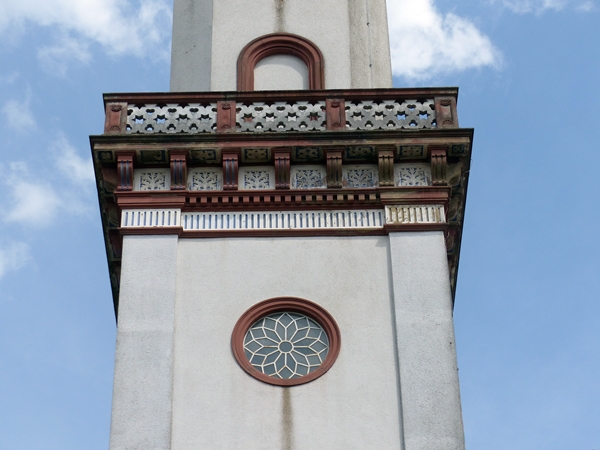
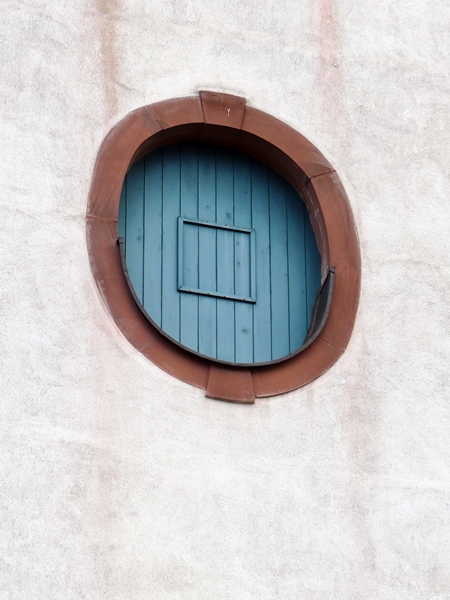
We spent last Saturday in Mußbach, a part of Neustadt an der Weinstraße. Yes, we were there to sample the new wine at “the world’s longest-lasting wine festival” (i.e. it lasts from mid-August to mid-October) but our walk through the vineyards also brought us past some houses. With Windows.