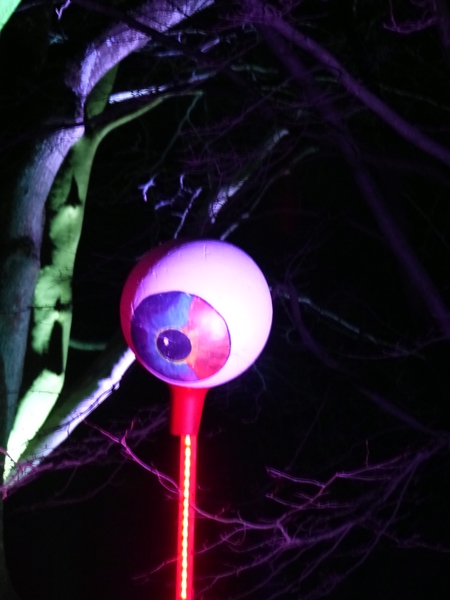
Getting married. A possible folly.
Getting married at 20. A probable folly.
Getting married after being together for six weeks. A definite folly.
Yet here we are.

Getting married. A possible folly.
Getting married at 20. A probable folly.
Getting married after being together for six weeks. A definite folly.
Yet here we are.
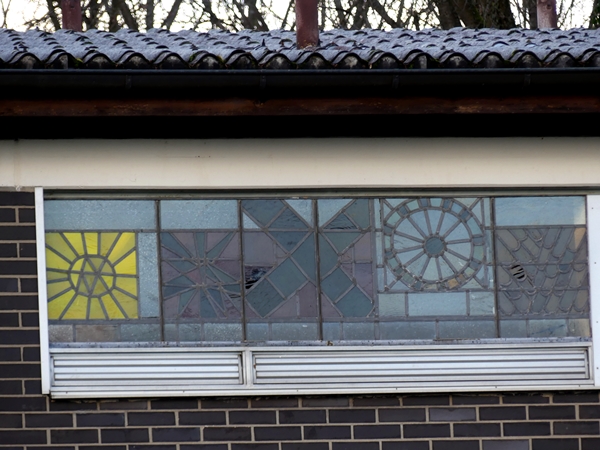
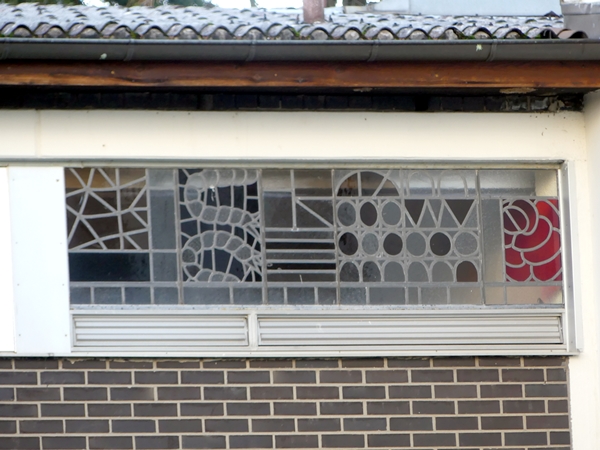
The windows belong to the training centre of a catholic hospital. I’ve been inside the training centre but not in the room with these windows – I presume that they belong to a chapel or a prayer room.

.
.
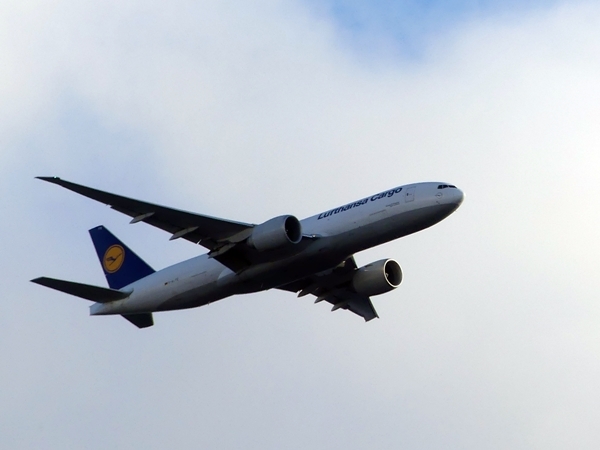
Driving to Frankfurt one passes under the flight corridor of the airport and I try to have my camera ready (not while I’m at the steering wheel, of course). Sometimes I get lucky.
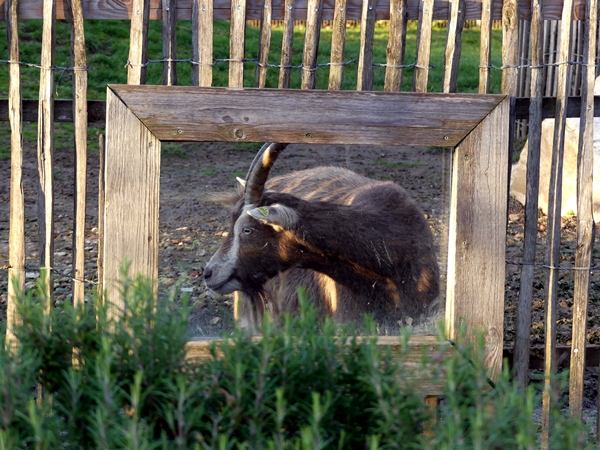
A Monday Window for Cee’s Fun Foto Challenge. This Monday I showed off the windows in the fences and walls of the zoo of Worms. The zoo is inclusive and these windows allow small children and visitors in wheelchairs to see into enclosures. This goat was particularly obliging and posed for me.


Wedged between the river Main and a mixed neighbourhood of houses, workshops and stores, situated next to the nightclub district of Frankfurt is a curious piece of urban enclave. It’s as if it has been forgotten by the urban planning department. An old and run-down collection of garden plots, many of the allotments are overgrown and look neglected, quite different to the neat and orderly Schrebergärten that are so characteristic for German weekend gardeners. Yet there are signs that many of the allotments are in use; swings and slides bear witness of playing children, brick and metal barbecues are kept clean for the next party, some of the seemingly dilapidated huts feature neat stoops with loveseats, and one can glimpse worn but well-kept tools under rusty awnings.
The paths through this jungle are overgrown, and curvy, it feels like being in a maze. Many of the allotments seem to have no direct access to any road. Surprisingly, in between the plots are narrow waterways which are overgrown, and with an occasional plank forming a makeshift bridge.
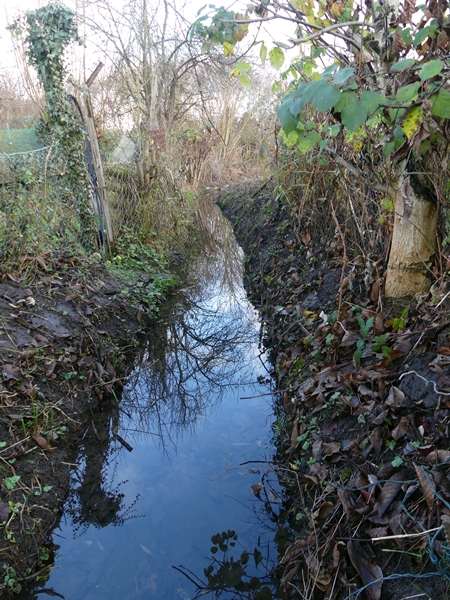


Cee’s Fun Foto Challenge: Water, Water Everywhere and of course, also linked to Jez’ Water, Water Everywhere

December skies have been mostly grey and overcast if they were visible through fog at all. But when the winds blow away the clouds, a winter sky can be glorious.

This corner sculpture of the Three Wise Men or Three Kings from the Orient is found in Schwetzingen, on the first house in the Dreikönigstraße.