waiting for the ferry. Not the Mersey but the Main.
Linked to Friday Fun: Waiting.


This is from a light installation called “Winterlichter” in a park in Mannheim.
Linked to Friendly Friday: Nighttime.

The townhall (Rathaus) of Lützelsachsen was built from 1674 to 1688 and renovated in 1808. And then it was renovated during the last couple of years. And now there are functional windows, old fashioned windows, and modern windows. Decide for yourself if you think it works.

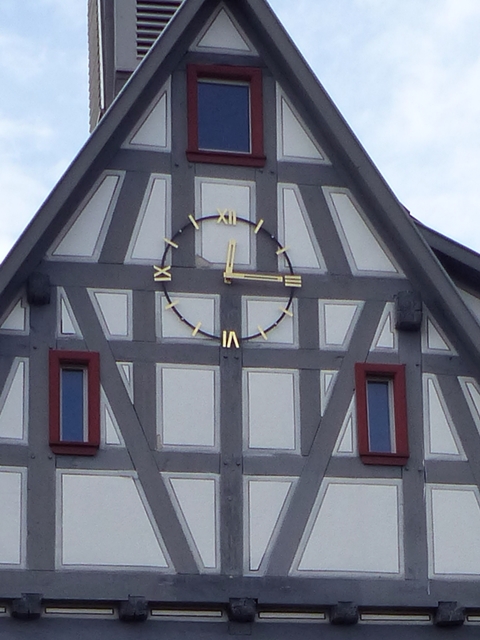


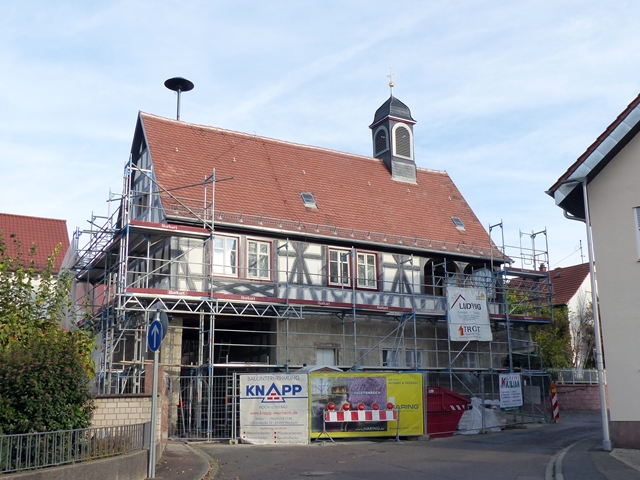
This is what it looked like a year ago or so.
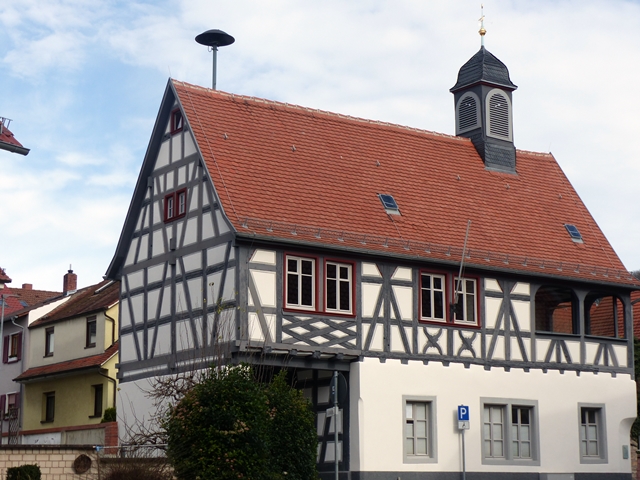
And this is what it looks like today. There is no mayor residing in it anymore since Lützelsachsen became part of the town Weinheim.
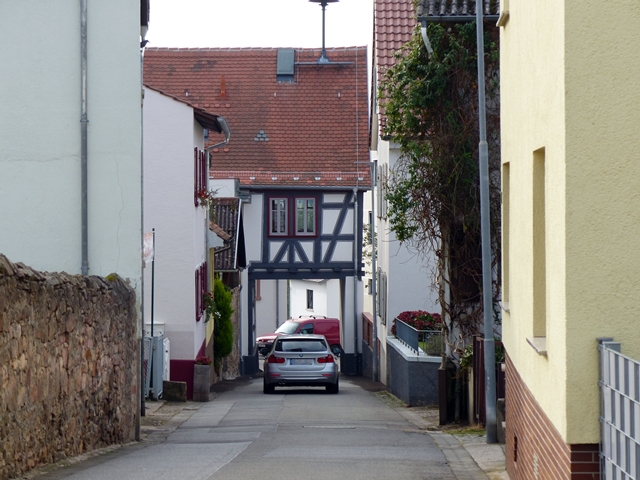
And that’s the view from the back with the cars still able to drive underneath the mayor’s former office – with two beautiful windows looking down on traffic.
Linked to Monday Window.
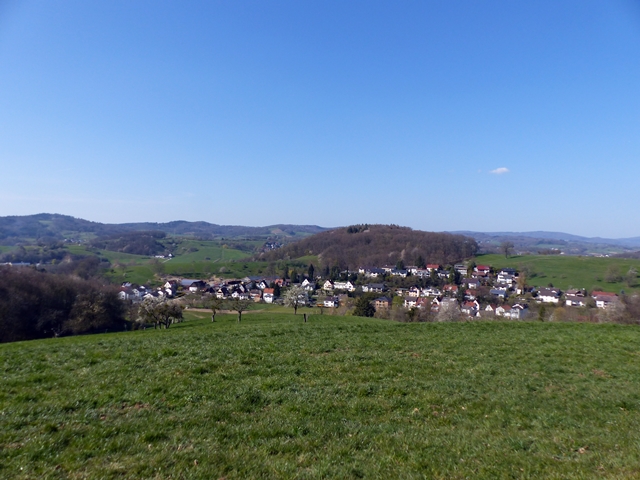
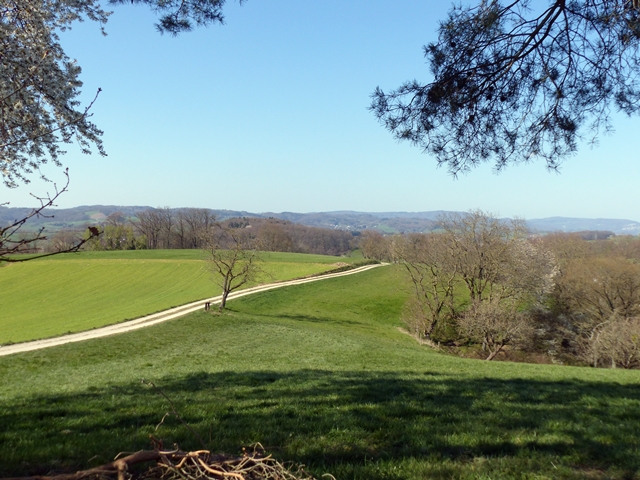
We can still walk if not in groups and the weather these past days has been glorious. So much so that it is starting to freak me out a little; almost too good to be true.
The title is from this song:
On a clear day
Rise and look around you
And you’ll see who you are.
On a clear day
How it will astound you
That the glow of your being outshines ev’ry star.
You’ll feel part of ev’ry mountain sea and shore.
You can hear, from far and near,
A world you’ve never heard before.
And on a clear day…
On that clear day…
You can see forever and ever more!
Here is a link to the Barbra Streisand version.
For more Friday Fun: Clarity click here.

Covered bridges are not common in Germany. This one is in Ketsch, it crosses to an island formed by the river canalisation in the 19th century, a nature reserve. It was built in the 1990s.

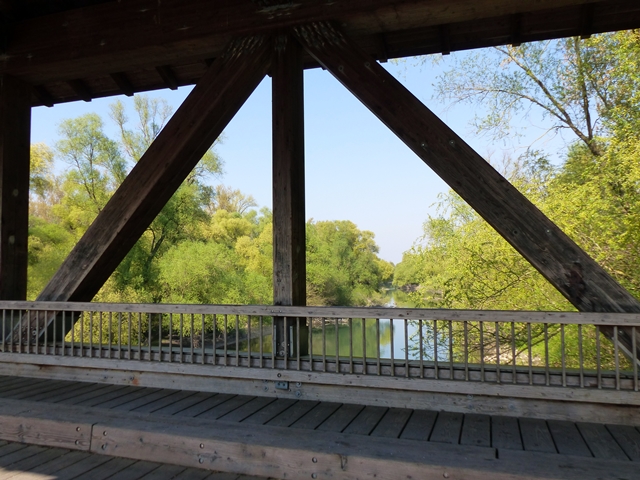
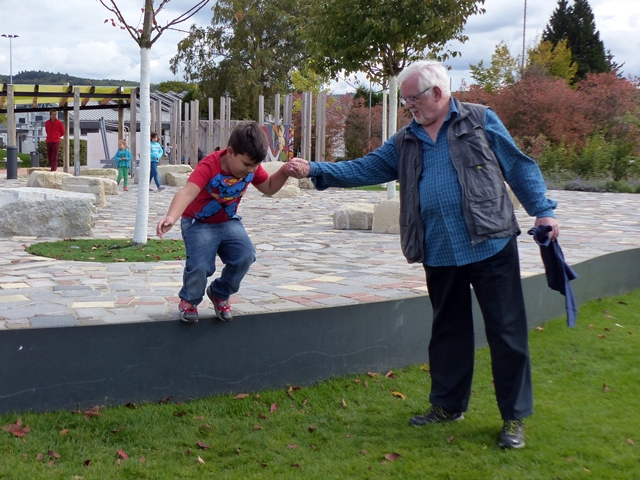
And I think there was some hand touching in the picture.
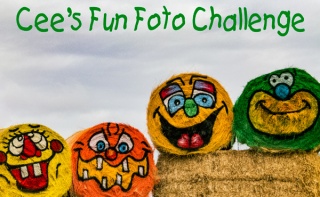
Linked to Cee’s Fun Foto Challenge: Pick a topic from this photo


Not just any old iris but an iris reticulata by the name of “Edward”.

The “Schau- und Sichtungsgarten Hermannshof” (trial garden) is in itself a speciality: a garden that is at once a garden showcasing plants and presenting them to the public as well as being a scientific institute which valuates plants in a natural environment regarding their position and growth and compatibility with other plants.
More information about the Hermannshof can be found here.
Linked to One Word Sunday: Speciality.

From Koblenz there is a cable car across the Rhine leading up to the fortress Ehrenbreitstein. For an even better view a huge viewing platform has been constructed up on the hill plateau.


And contrasting this rather large construction, here is a little detail on how to beautify rails – also close to the Rhine but in Düsseldorf.

Linked to the Friendly Friday Photo Challenge: Rails.


This sculpted group stands in Lampertheim, a salute to the asperagus farmers and sellers right in the centre of the traditional asperagus growing regions. I stress traditional because with the advent of plastic covering on fields (and a bit of help from global warming) white asperagus is farmed in many areas of Germany. In the wide Rhine valley the climate was always favourable and in combination with the sandy soil which has come on southerly winds from the Sahara dessert for aeons it became ideal for this spring vegetable. Germans eat “Spargel” with a passion and the season is from early spring until traditionally 24 June in order to give the plants time to recuperate before the next season. To this day more than half of the German asparagus is sold on roadside stands and in open markets.
Linked to Cee’s Black & White Photo Challenge: Tables, Chairs, Picnic Tables, etc.