“You can find magic wherever you look. Sit back and relax, all you need is a book.”
Dr. Seuss
I always enjoyed children’s books. Not just Dr. Seuss but Erich Kästner, Maurice Sendak, Hans Fischer, Eric Carlé, and of course, Julia Donaldson and Alex Scheffler who wrote and illustrated The Gruffalo.
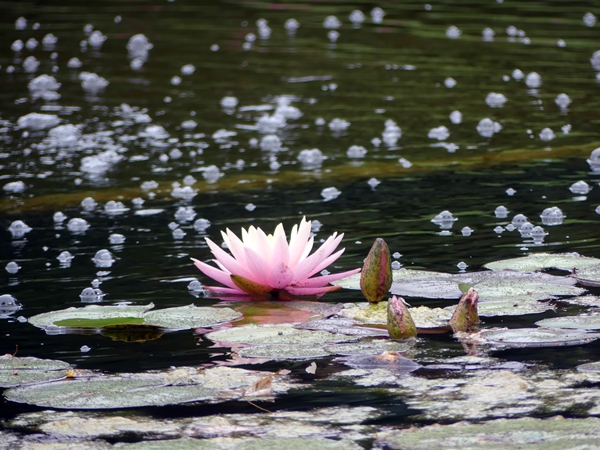
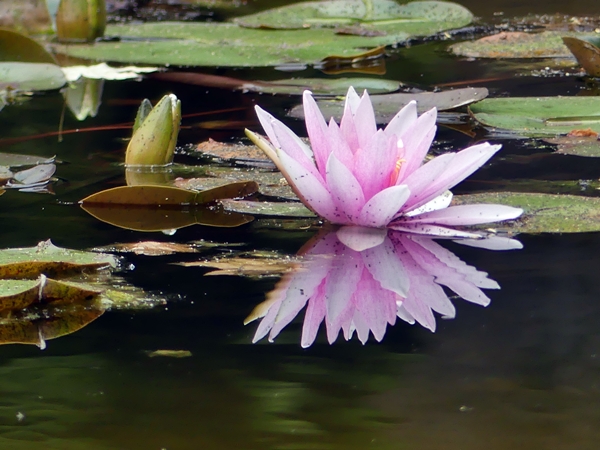
Water lilies are called “lake roses” in German. The Greek name is the most romantic: According to Pliny Nymphaeia comes from a story about a nymph died because of jealousy over Herakles and became a water lily.
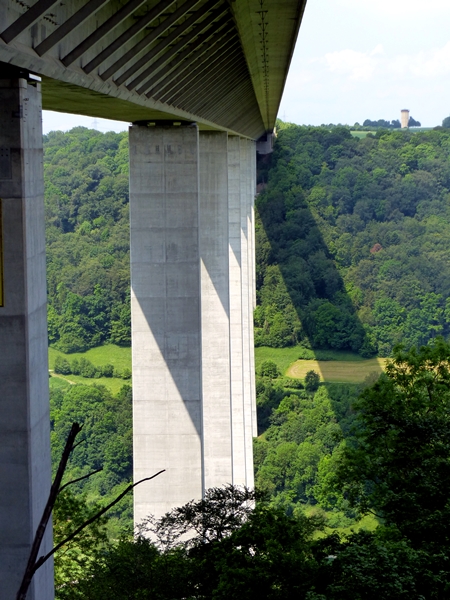
The Kochertal viaduct is the highest bridge in Germany. At its highest it is 185m above the valley bottom. It was the bridge with the highest pillars in the world before it was overtaken by a bridge in France in 2004.
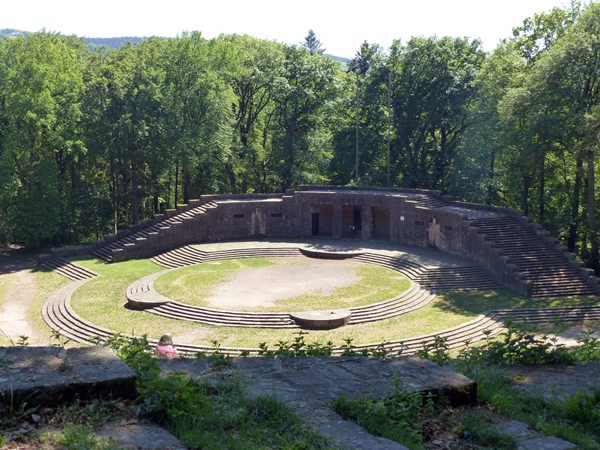
For various reasons it is difficult to talk about the Thingstätte in Heidelberg, particularly in English. The English problem is a language one. A Germanic Thing (pronounced ting) is a thing in English but not as in an object or an article but as in a folkmoot (kind of like an entmoot for people). Then there are the historic problems. This venue, fashioned in a way that Nazis envisaged Germanic culture 2000 years ago, was built in the 1930s on a hill near Heidelberg for pseudo Germanic festivities and rituals. Early on it was clear that it would never do what it was meant to do because they built a stage in the middle of an amphitheatre for thousands of spectators but forgot about toilets and other necessities. After world war II it was neglected, then half-heartedly revived (even Placido Domingo gave a concert there once), after 2000 it was only used unofficially for Walpurgis Night feasts where students partied in the night from 30 April to 1 May. This was stopped in 2018 as it created too many problems, not least several forest fires.
Today it’s mainly a destination for excursions. There is a lookout point in the vicinity which offers a wonderful view of the Heidelberg Schloss on the other side of the river Neckar.













 pictures imperfect blog