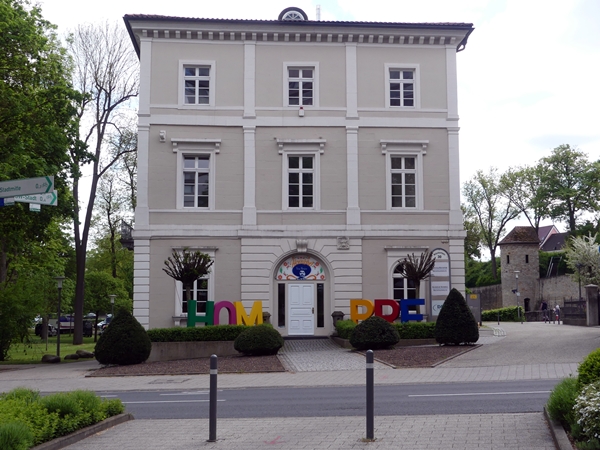
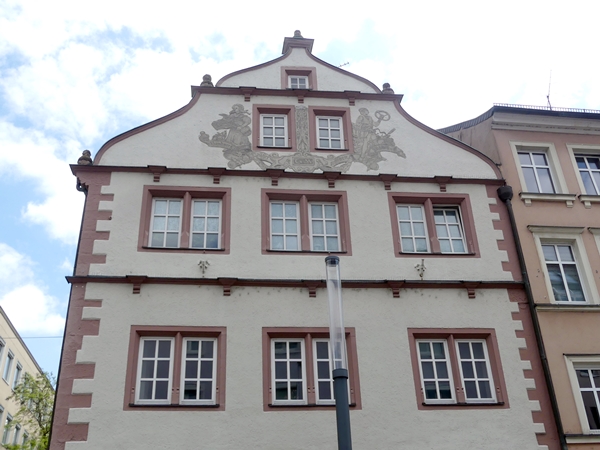
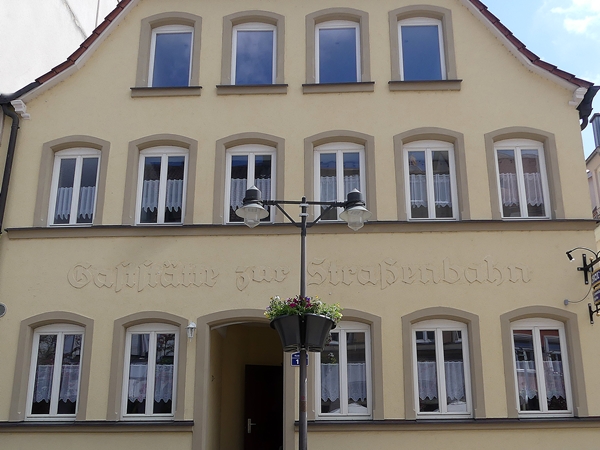
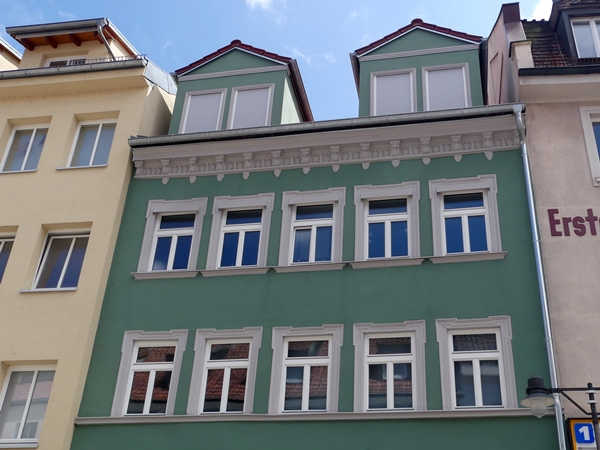
or, Windows of Schriesheim – all of them with flowers or some greenery in front.


.
.
or, Windows of Schriesheim – all of them with flowers or some greenery in front.
.
.

The Kochertal viaduct is the highest bridge in Germany. At its highest it is 185m above the valley bottom. It was the bridge with the highest pillars in the world before it was overtaken by a bridge in France in 2004.
.
.
..
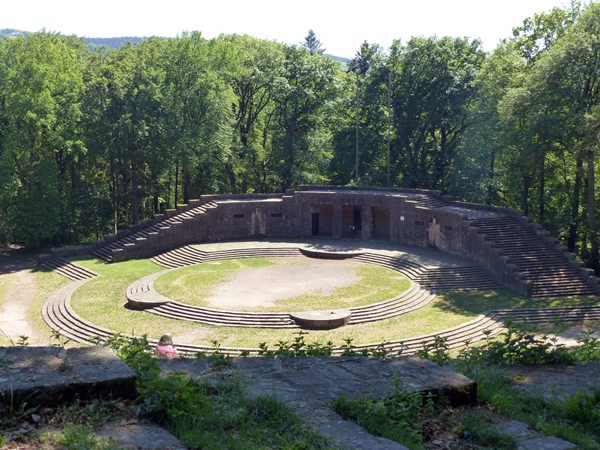
For various reasons it is difficult to talk about the Thingstätte in Heidelberg, particularly in English. The English problem is a language one. A Germanic Thing (pronounced ting) is a thing in English but not as in an object or an article but as in a folkmoot (kind of like an entmoot for people). Then there are the historic problems. This venue, fashioned in a way that Nazis envisaged Germanic culture 2000 years ago, was built in the 1930s on a hill near Heidelberg for pseudo Germanic festivities and rituals. Early on it was clear that it would never do what it was meant to do because they built a stage in the middle of an amphitheatre for thousands of spectators but forgot about toilets and other necessities. After world war II it was neglected, then half-heartedly revived (even Placido Domingo gave a concert there once), after 2000 it was only used unofficially for Walpurgis Night feasts where students partied in the night from 30 April to 1 May. This was stopped in 2018 as it created too many problems, not least several forest fires.
Today it’s mainly a destination for excursions. There is a lookout point in the vicinity which offers a wonderful view of the Heidelberg Schloss on the other side of the river Neckar.

……………………………………….
There I was.
Looking down. Making sure I keep my feet on the ground.

Looking up. My head not quite in the clouds. Seeing the storks fly by.

Looking straight ahead. On either side, in the corner of my eyes is a sculpture.

Here they are.


Taking a few steps forward to stand between the two. Lucky me, they weren’t sphinxes.


And from a little way off, Diana is watching.

The Cosmic Photo Challenge: Three Shots from One Spot
.
.
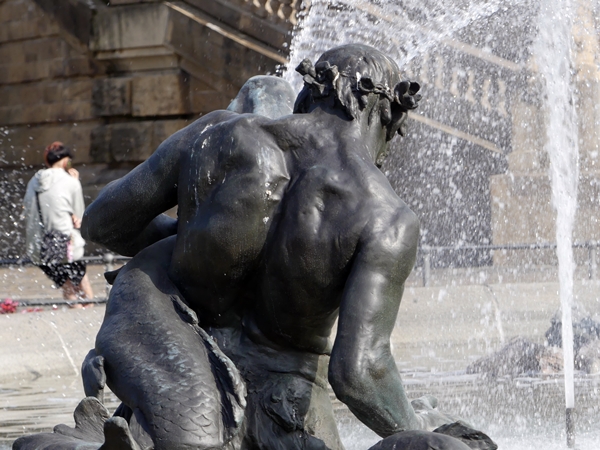
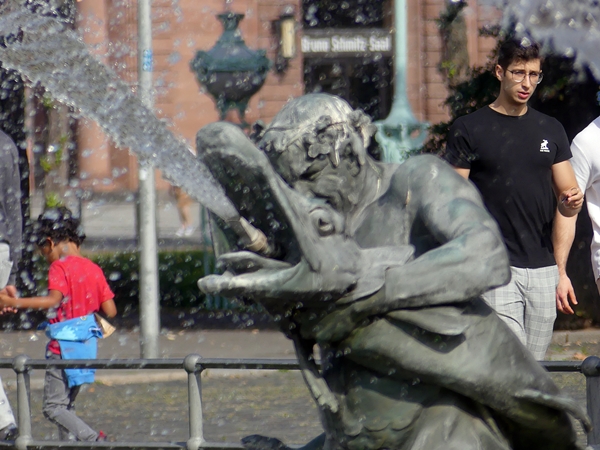
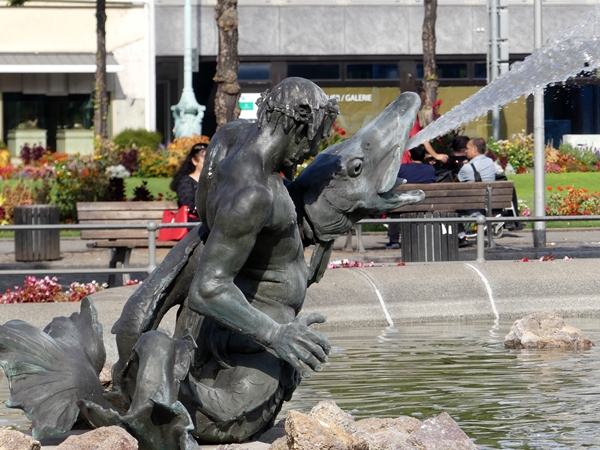
The water tower is the landmark of Mannheim. In front of it is the Triton or Water God Fountain.
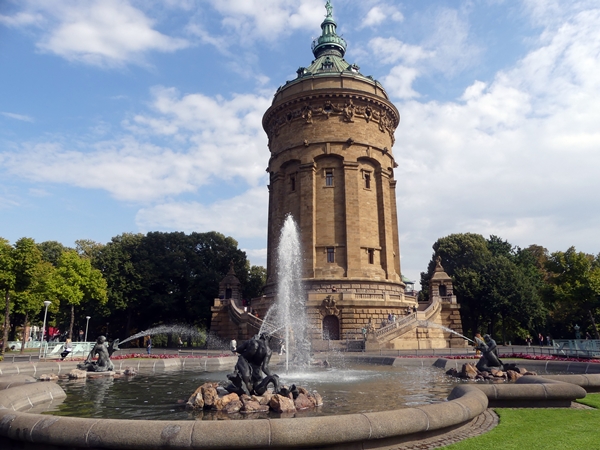
Tower and fountain were built in 1889.


.
.
..
The former place of execution near the town of Beerfelden im Odenwald has a certain attraction to visitors. It lies outside the town on an open hill. A steady stream of cars stop, one takes a short stroll around the gallows, glances to the opposite hills, adds a few morose thoughts and drives off.
The town of Beerfelden thought they could profit from this steady stream of visitors and instead of them bypassing the town, one could lure them to stay awhile and spend some money.
Last time I was there, this boulder had been added to the site.
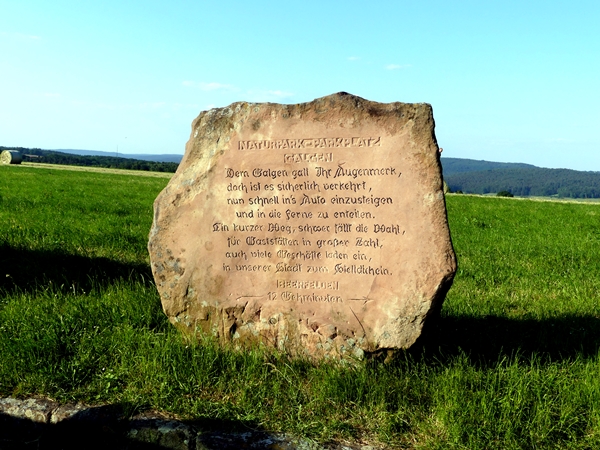
The verse (a pretty bad doggerel, not a parody but just really bad poetry) admonishes the visitors that it would be a mistake to leave without paying the inns and shops of Beerfelden a visit (only a 12 minute walk!).
As to my thoughts of this PR I’ll keep quiet, as it is
Silent Sunday